CATHOLIC RELIEF SERVICES ORGANIZATION
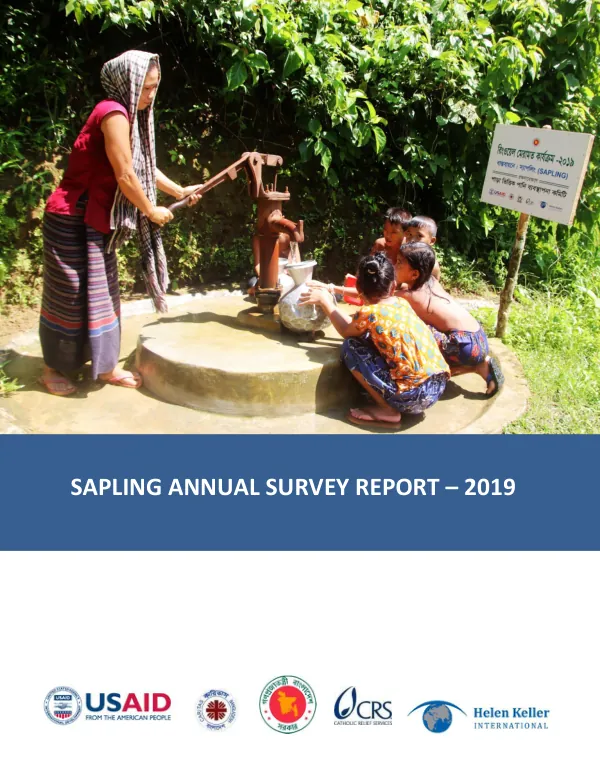
SAPLING ANNUAL SURVEY REPORT – 2020
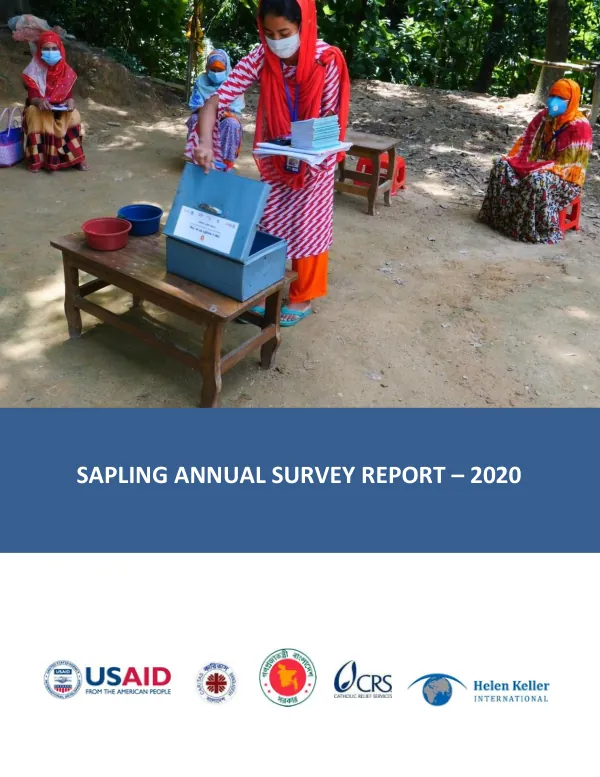
Sustainable Agriculture and Production Linked to Improved Nutrition Status, Resilience, and Gender Equity (SAPLING) is a program aimed at enhancing agricultural productivity and improving nutrition, particularly among vulnerable populations.
2020 · 37 pages
Sign in to readA free account is required to download.
Abstract
The program is implemented in Bangladesh, with a focus on the Chittagong Hill Tracts (CHT) region. The initiative is supported by the United States Agency for International Development (USAID) through a cooperative agreement. The program's primary objective is to improve the nutritional status of households, particularly among women and children, through enhanced agricultural productivity and access to markets. To achieve this goal, SAPLING implements a range of interventions, including farmer training, infrastructure development, and market linkage facilitation. The program also focuses on improving water, sanitation, and sanitation hygiene (WASH) practices, as well as disaster risk management and resilience. The program's methodology involves conducting annual surveys to monitor progress and assess the impact of the interventions. The surveys collect data on a range of indicators, including household characteristics, agricultural productivity, and nutrition outcomes, such as dietary diversity, breastfeeding practices, and handwashing habits. The data is analyzed to identify trends and identify areas for improvement. The results of the FY20 survey indicate that the program has made significant progress in improving agricultural productivity and nutrition outcomes. The survey found that 27% of households have improved their agricultural productivity, with a 27% increase in household income among program participants compared to the control group. The survey also found that 38% of households have improved their dietary diversity, with a significant increase in the consumption of animal source foods. In terms of WASH practices, the survey found that 71% of households have improved their handwashing habits, with a significant increase in the percentage of caregivers washing hands at critical times. The survey also found that 45% of households have improved their knowledge of WASH practices, with a significant increase in the percentage of caregivers who can report when they should wash their hands. The survey also found that 35% of households have improved their disaster risk management practices, with a significant increase in the percentage of households that have implemented at least two risk-reduction practices. The survey also found that 25% of households have improved their preparedness activities, with a significant increase in the percentage of households that can identify at least three preparedness activities. Overall, the results of the FY20 survey indicate that SAPLING has made significant progress in improving agricultural productivity and nutrition outcomes, particularly among vulnerable populations. The program's interventions have had a positive impact on household income, dietary diversity, and WASH practices. The program's focus on disaster risk management and resilience has also improved household preparedness activities. The program's success can be attributed to its strong methodology, which involves conducting annual surveys to monitor progress and assess the impact of the interventions. The program's focus on vulnerable populations, particularly women and children, has also contributed to its success. The program's interventions have had a positive impact on household income, dietary diversity, and WASH practices, which are critical for improving nutrition outcomes. The program's results have significant implications for policymakers and practitioners working in the field of agricultural development and nutrition. The program's findings highlight the importance of investing in agricultural productivity and nutrition interventions, particularly among vulnerable populations. The program's methodology and results can inform the design and implementation of similar programs in other contexts. The program's success also highlights the importance of strong partnerships and collaboration between government, non-governmental organizations, and private sector actors. The program's partnerships have been critical in ensuring the program's success, particularly in terms of reaching vulnerable populations and improving agricultural productivity and nutrition outcomes. In conclusion, SAPLING has made significant progress in improving agricultural productivity and nutrition outcomes, particularly among vulnerable populations. The program's interventions have had a positive impact on household income, dietary diversity, and WASH practices. The program's focus on disaster risk management and resilience has also improved household preparedness activities. The program's success highlights the importance of investing in agricultural productivity and nutrition interventions, particularly among vulnerable populations, and the importance of strong partnerships and collaboration between government, non-governmental organizations, and private sector actors.