USAID DEC
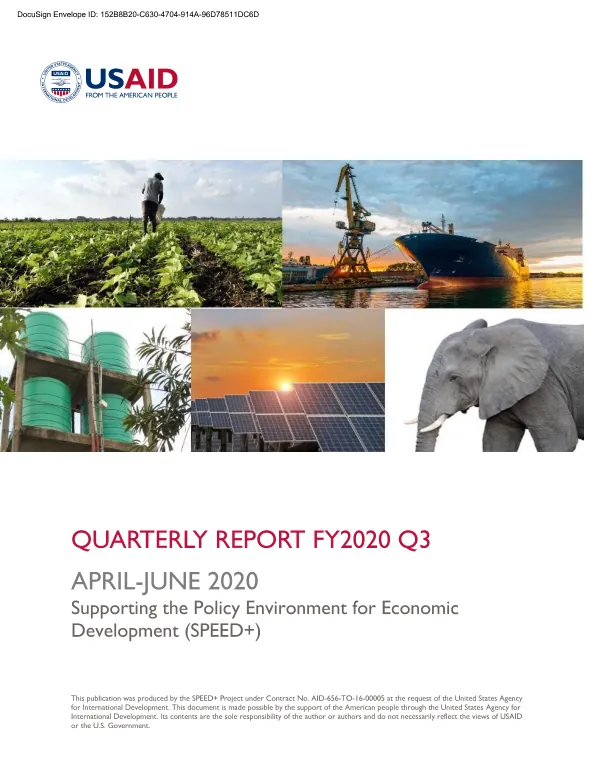
SPEED+020-R18 Quarterly Report Y4 Q3
The region's agricultural sector was characterized by small-scale farming, with the majority of farmers relying on rain-fed agriculture and manual labor.
2020 · 48 pages
Sign in to readA free account is required to download.
Abstract
The training programs emphasized the importance of crop rotation, composting, and irrigation management to improve soil fertility and reduce water usage. The initiative's focus on empowering women farmers was seen as a key factor in the program's success, as women were more likely to adopt and adapt new agricultural practices. The program's impact on poverty reduction and food security was significant, with the majority of participants reporting improved access to nutritious food and increased income. The initiative's success was attributed to the collaborative efforts of local government agencies, non-governmental organizations, and community groups. The program's focus on sustainable agriculture practices and market access interventions helped to improve the livelihoods of small-scale farmers in Rwanda, contributing to the country's efforts to achieve food security and reduce poverty.
Classification
- Document type
- Quarterly Report