SAVE THE CHILDREN FUND
Taking a Stand
Bullying and its effects on others can have a profound impact on individuals and communities.
2 pages
Sign in to readA free account is required to download.
Abstract
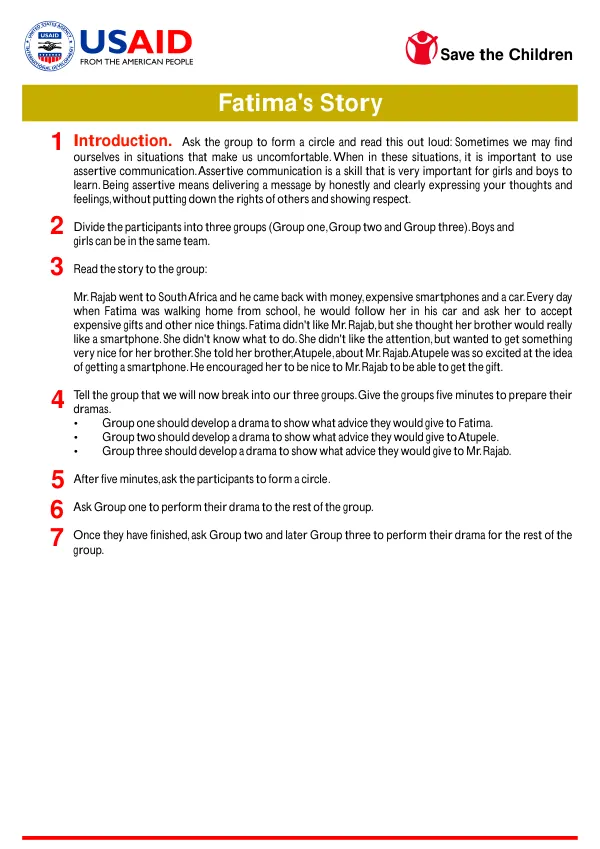
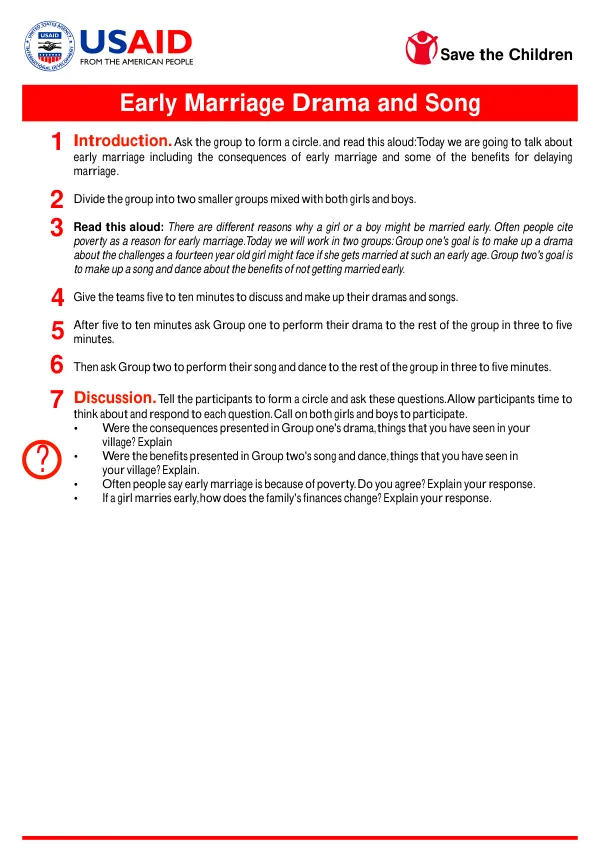
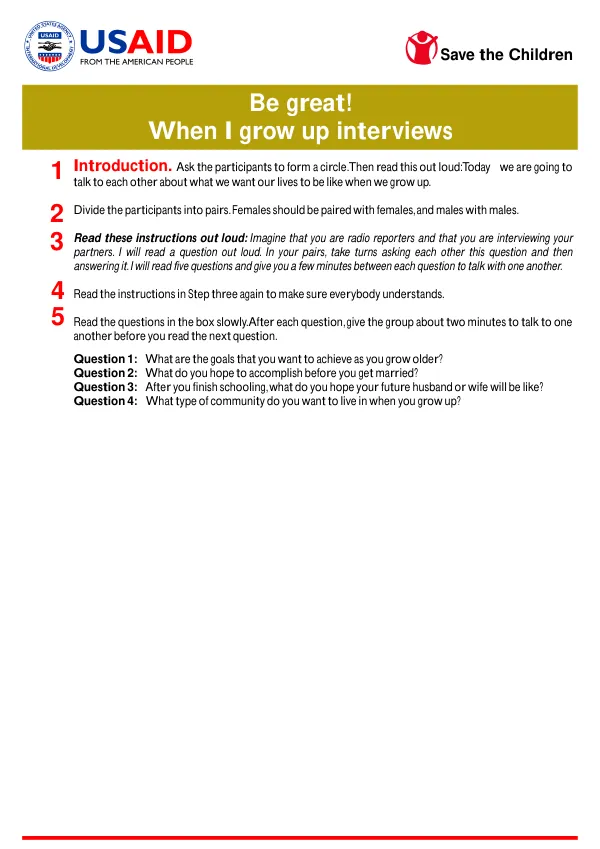
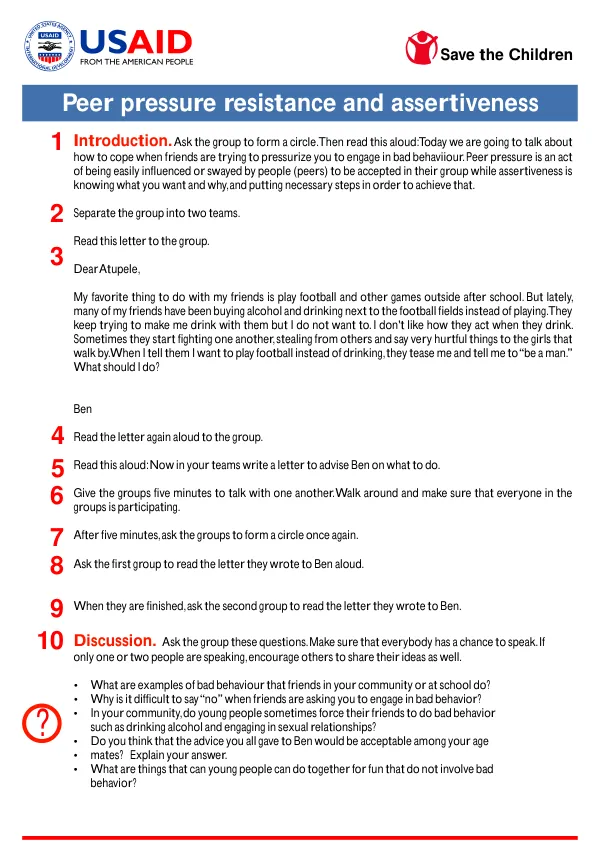
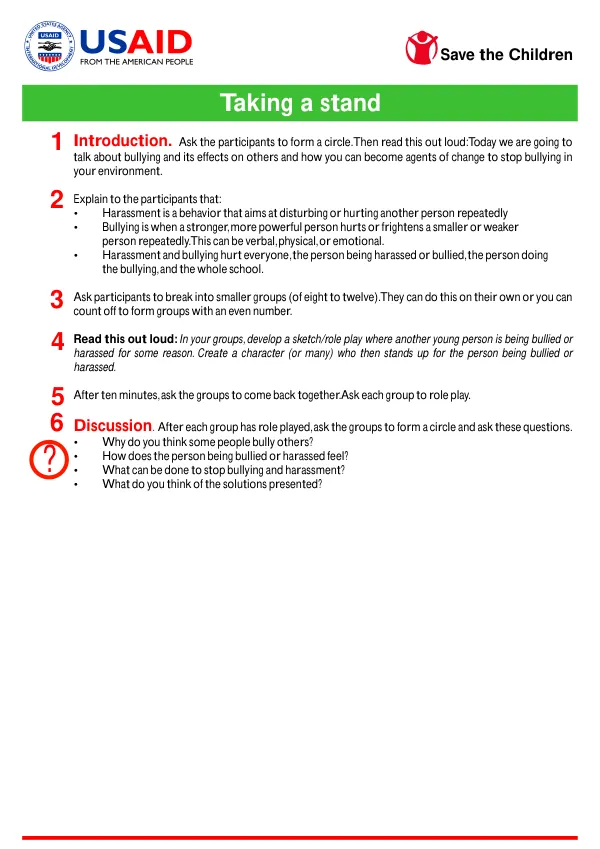
Harassment is a behavior that aims at disturbing or hurting another person repeatedly, while bullying is a specific form of harassment where a stronger, more powerful person hurts or frightens a smaller or weaker person repeatedly. This can be verbal, physical, or emotional and affects not only the person being bullied but also the person doing the bullying and the entire school community. Research suggests that bullying can have severe consequences, including decreased self-esteem, anxiety, and depression in victims. It can also lead to increased aggression and violence in perpetrators. Furthermore, bullying can create a toxic school environment, making it difficult for students to learn and thrive. The effects of bullying can be long-lasting, with some victims experiencing emotional and psychological trauma well into adulthood. To address bullying, it is essential to understand its root causes. Some possible reasons for bullying include a desire for power and control, a lack of empathy, and a need to fit in with a particular group. However, bullying can also be a result of societal and cultural norms that promote aggression and violence. In addressing bullying, it is crucial to involve the entire school community. This can include students, teachers, parents, and administrators working together to create a safe and supportive environment. Strategies for preventing bullying can include promoting empathy and kindness, teaching conflict resolution skills, and providing support for victims. One effective approach to addressing bullying is through role-playing and scenario-based training. This can help students develop the skills and confidence they need to stand up for themselves and others. By practicing different scenarios, students can learn how to respond to bullying in a safe and effective way. Some possible solutions to bullying include speaking up and saying "stop," reporting incidents to an adult, and being kind to the person being bullied. Being a good example by treating others with respect and kindness can also help to prevent bullying. Additionally, reporting incidents to an adult can help to create a paper trail and provide evidence of bullying behavior. Ultimately, preventing bullying requires a commitment from the entire school community. By working together, students, teachers, and parents can create a safe and supportive environment where everyone can thrive. This can involve promoting empathy and kindness, teaching conflict resolution skills, and providing support for victims. Involving students in the process of addressing bullying can also be an effective way to create lasting change. By empowering students to take an active role in preventing bullying, schools can create a culture of respect and kindness that benefits everyone. This can involve providing students with the skills and knowledge they need to address bullying, as well as creating opportunities for students to take leadership roles in promoting a positive school culture. By working together, schools can create a safe and supportive environment where everyone can thrive. This requires a commitment to promoting empathy and kindness, teaching conflict resolution skills, and providing support for victims. By addressing bullying in a comprehensive and sustained way, schools can create a culture of respect and kindness that benefits everyone.
Related documents