THE UNITED STATE CENTERS FOR DISEASE CONTROL AND PREVENTION
The U.S. Government Response to Global Neglected Tropical Diseases
The U.S.
2014 · 3 pages
Sign in to readA free account is required to download.
Abstract
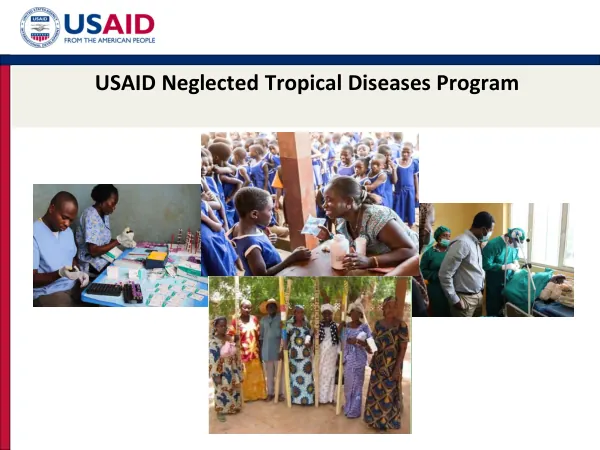
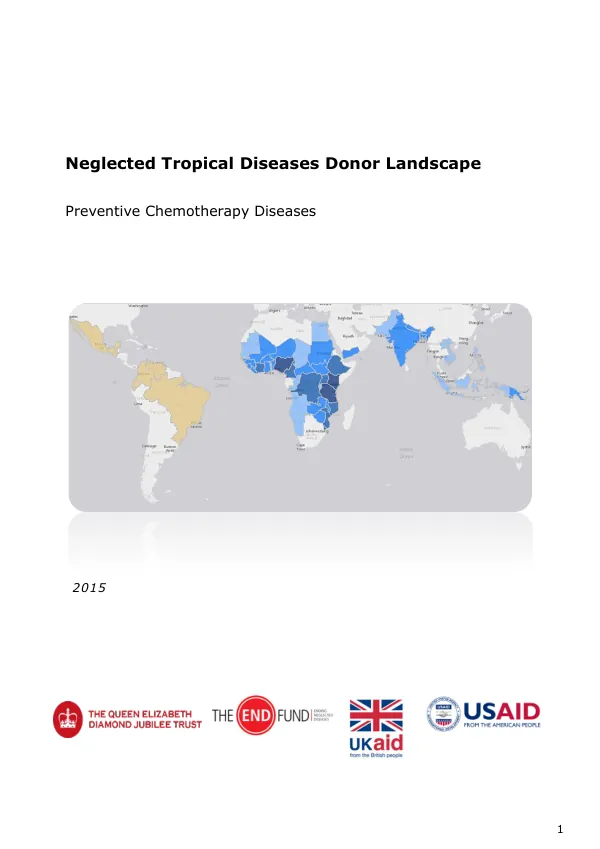
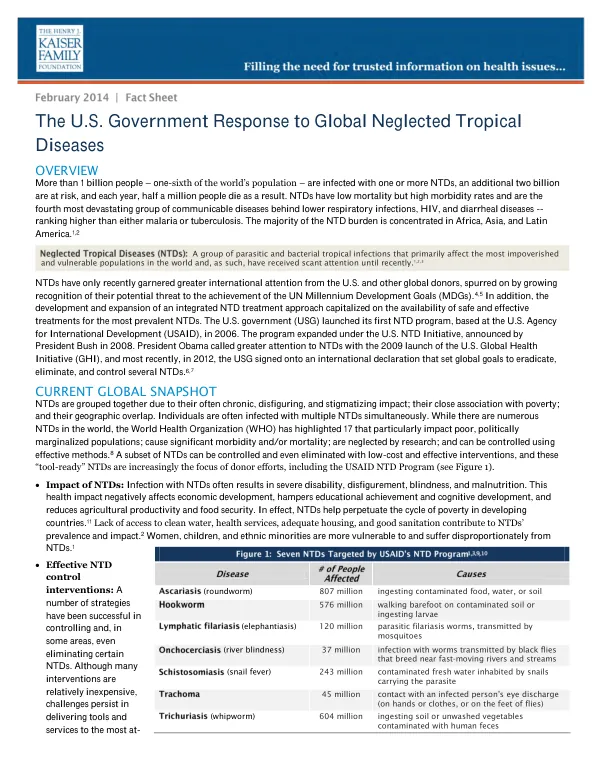
Government Response to Global Neglected Tropical Diseases began in 2006 with the launch of the USAID NTD Program, which initially targeted five countries with a five-year goal to support 160 million treatments for the seven most common NTDs for at least 40 million people. The program expanded under the U.S. NTD Initiative, announced by President Bush in 2008, with an increased target of supporting treatment to more than 300 million people in Africa, Asia, and Latin America. The U.S. government's response to NTDs has increased markedly in recent years, with a focus on integrated control approaches targeting multiple NTDs simultaneously through mass drug administration (MDA) and community-level transmission control measures. The recommended strategy is an integrated control approach, which allows programs to reach more people and increase cost-efficiencies over tackling each disease separately. MDA often uses the "rapid-impact package," a combination of four drugs used to prevent or treat the seven most prevalent NTDs for as little as $0.25-$0.50 per person per year. The U.S. government has exceeded its initial five-year target by supporting the delivery of approximately 585 million NTD treatments to almost 258 million people since 2006. The USAID NTD Program reports cost efficiency savings as a result of merging formerly vertical efforts that addressed NTDs separately. For example, its cost per treatment has been reduced by 41%. The program targets seven NTDs that are responsible for the overwhelming majority of the NTD burden and are particularly amenable to control due to the availability of effective drugs against these diseases. USAID serves as the lead implementing agency for U.S. global NTD efforts, with several other agencies, including CDC, NIH, DoD, and the U.S. Food and Drug Administration (FDA), also involved in responding to NTDs. The USAID NTD Program initially focused on five fast-track countries (Burkina Faso, Ghana, Mali, Niger, Uganda) and has since expanded to include 18 more countries. Additional U.S. NTD efforts focus on encouraging research into and adoption of control tools for NTDs, including the seven targeted NTDs as well as others not yet considered "tool-ready." The U.S. government has committed to global goals to eradicate, eliminate, and control several NTDs, including the London Declaration's goals to eradicate Guinea worm disease, eliminate lymphatic filariasis, leprosy, sleeping sickness, and blinding trachoma, and control schistosomiasis, soil-transmitted helminthes, Chagas disease, visceral leishmaniasis, and onchocerciasis. The U.S. government's response to NTDs has increased markedly in recent years, with a focus on integrated control approaches and a commitment to global goals to control and eliminate these diseases.