USAID
USAID Neglected Tropical Diseases Program
The USAID Neglected Tropical Diseases Program focuses on reducing the burden of NTDs in developing countries.
2016 · 17 pages
Sign in to readA free account is required to download.
Abstract
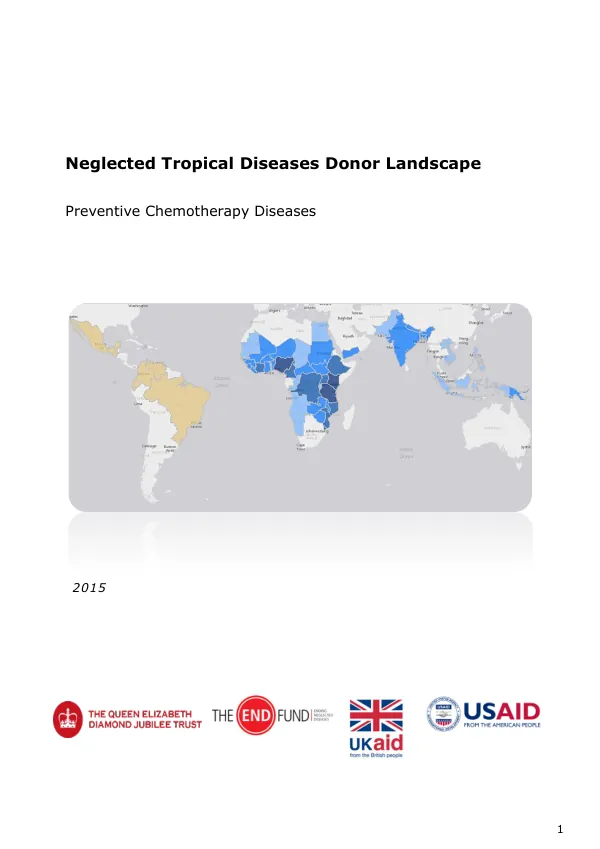
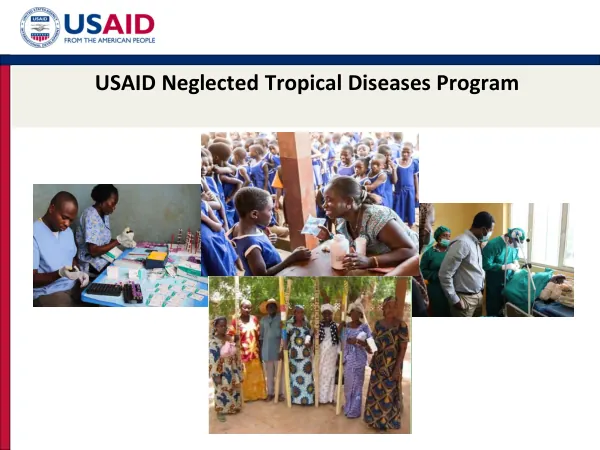
The program targets 10 NTDs, including Lymphatic filariasis, Onchocerciasis, Schistosomiasis, and Trachoma, which are the primary focus of the program. These diseases are caused by parasites and are transmitted through vectors such as black flies, snails, and mosquitoes. Preventive Chemotherapy (PCT) is a key intervention approach used by the program to control and eliminate NTDs. PCT involves the regular and coordinated administration of quality-assured, safe, single-dose medicines on a large scale. The program uses a range of medicines, including Albendazole, Ivermectin, DEC, and Praziquantel, to treat various NTDs. The program also employs an Integrated Approach, which involves core program investments in disease mapping, mass drug administration, monitoring and evaluation, and surveillance/impact assessment. The program targets 31 countries, including Benin, Burkina Faso, Cameroon, Côte d'Ivoire, and DR Congo, among others. The program's strategic investments focus on morbidity management and disability prevention, operations research, new drug development, and supply chain management and drug quality. The program's goal is to reduce the NTD burden, which affects over 1.2 billion people worldwide. The program aims to reduce poverty and increase economic opportunity and agricultural output, as well as reduce stunting and anemia. The program also targets ancillary treatment of other diseases, such as scabies, trematodes, and yaws, and aims to improve school attendance and cognitive development. The program has made significant progress towards the 2020 NTD goals, with 26 countries on track to eliminate Lymphatic filariasis and 17 countries on track to eliminate Trachoma. The program has also made progress in controlling Onchocerciasis, Schistosomiasis, and Soil-transmitted Helminths, with 15 countries controlling Onchocerciasis and 19 countries controlling Schistosomiasis. The program's efforts have resulted in significant reductions in NTD burden, with over 120 million people treated and over 300 million treatments provided. The program's success has been attributed to its integrated approach, which combines disease mapping, mass drug administration, and monitoring and evaluation to achieve control and elimination of NTDs.
Related documents