ACTION CONTRE LA FAIM
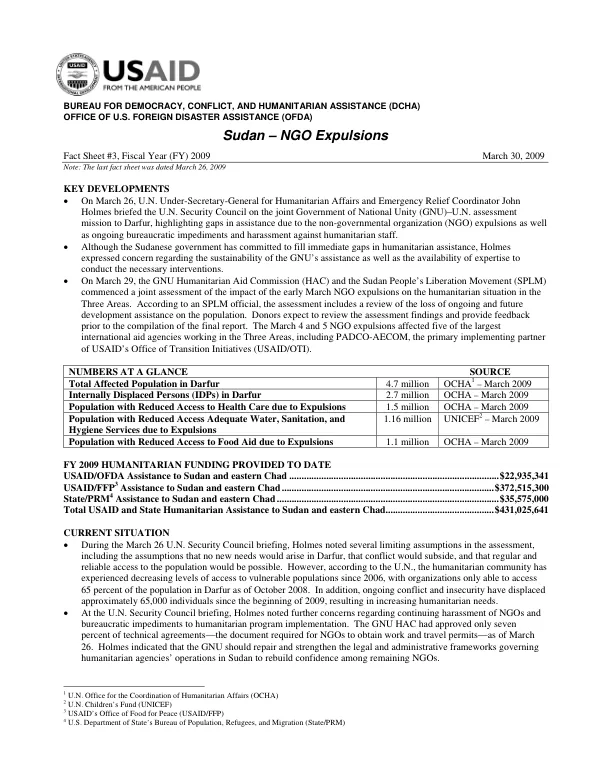
USAID-DCHA Sudan -NGO Expulsions Fact Sheet #1
The International Criminal Court issued an international arrest warrant for Sudanese President Omar al-Bashir on March 4, 2009, on seven counts of war crimes and crimes against humanity in Sudan's Darfur region.
2009 · 4 pages
Sign in to readA free account is required to download.
Abstract
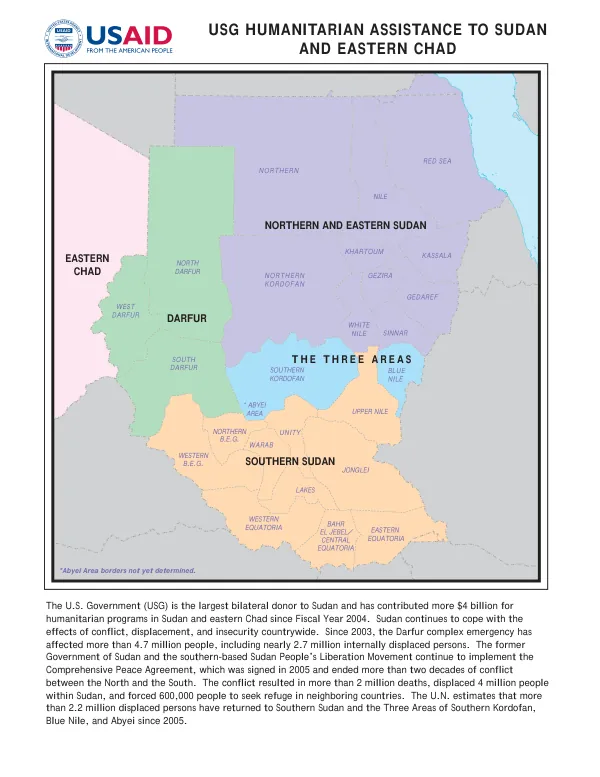
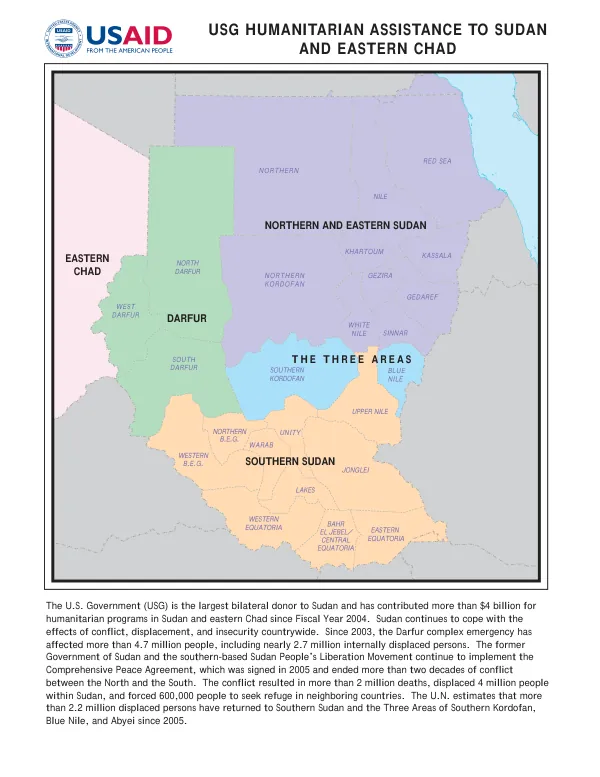
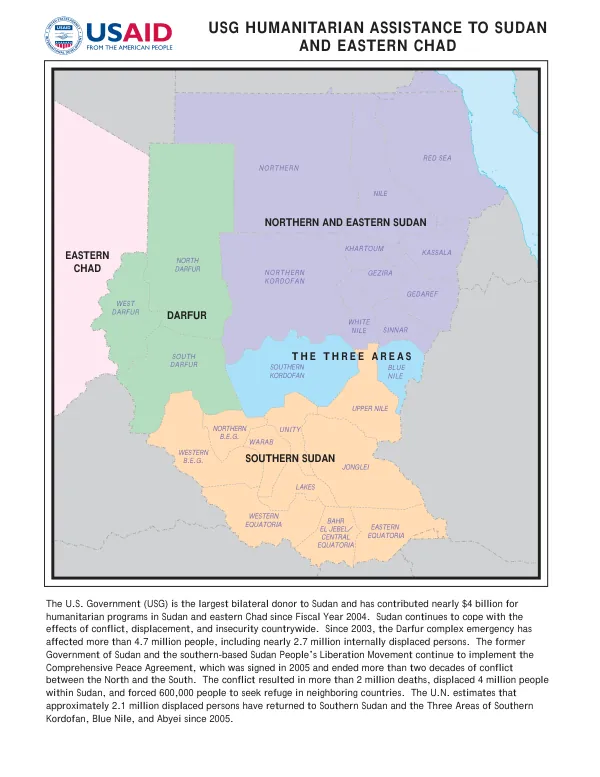
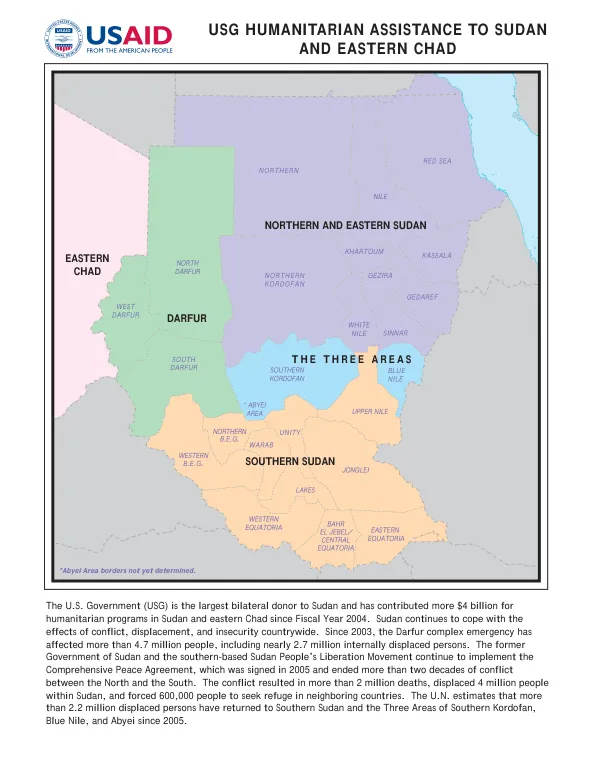
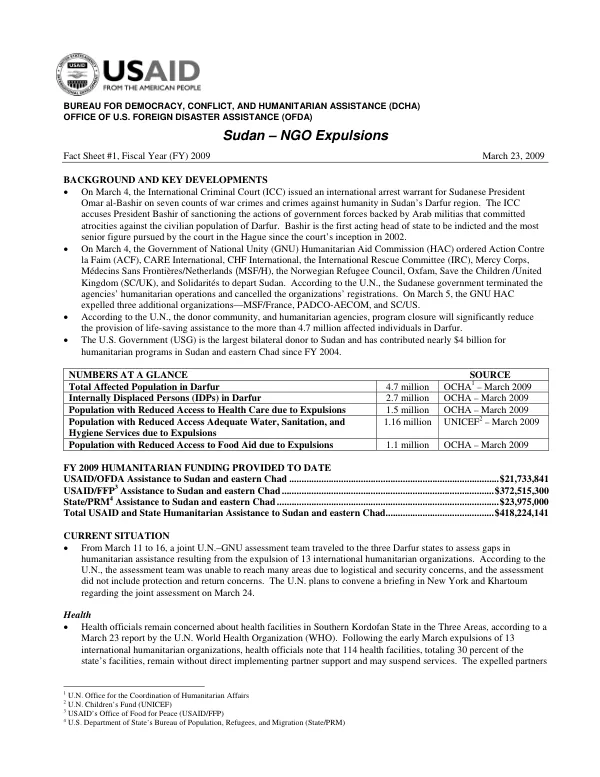
The warrant accuses President Bashir of sanctioning the actions of government forces backed by Arab militias that committed atrocities against the civilian population of Darfur. This development has significant implications for the humanitarian situation in Darfur. The Government of National Unity (GNU) Humanitarian Aid Commission (HAC) ordered 13 international humanitarian organizations to depart Sudan on March 4, 2009. The organizations, including Action Contre la Faim, CARE International, and the International Rescue Committee, were forced to terminate their humanitarian operations and cancel their registrations. The expulsions have resulted in a significant reduction in the provision of life-saving assistance to the more than 4.7 million affected individuals in Darfur. The U.S. Government is the largest bilateral donor to Sudan, having contributed nearly $4 billion for humanitarian programs in Sudan and eastern Chad since fiscal year 2004. In fiscal year 2009, the U.S. Government has provided over $418 million in humanitarian assistance to Sudan and eastern Chad. The assistance includes food and non-food items, such as emergency relief commodities, shelter materials, and medical supplies. The humanitarian situation in Darfur is critical, with 2.7 million internally displaced persons (IDPs) in need of assistance. The expulsions of international humanitarian organizations have left 1.5 million individuals without access to adequate health care, 1.16 million without access to water, sanitation, and hygiene services, and 1.1 million without access to food aid. The situation is further complicated by the ongoing conflict and insecurity in the region. The World Health Organization (WHO) has reported that 114 health facilities in Southern Kordofan State are without direct implementing partner support and may suspend services. The organization has also noted that the expulsions have resulted in a 20 percent reduction in health care in El Geneina, West Darfur; a 22 percent reduction in Kutum, North Darfur; a 63 percent reduction in Habila, West Darfur; and an 83 percent reduction in Kass, South Darfur. UNICEF has reported that 42 therapeutic feeding centers and 21 supplementary feeding programs have closed or reduced operations in Darfur and northern Sudan states. The organization has also noted that the expulsions have decreased nutrition surveillance capacity throughout Darfur. In addition, UNICEF has reported that the protection support for more than 100,000 vulnerable children in northern Sudan has been suspended, leaving them at increased risk of violence. The humanitarian community is working to address the gaps in humanitarian assistance left by the expulsions. The U.N. has convened a briefing in New York and Khartoum to discuss the joint assessment of the humanitarian situation in Darfur. The U.S. Government has also provided emergency assistance to address the needs of IDPs in Darfur, including food, shelter, and medical supplies.
Related documents