PATH
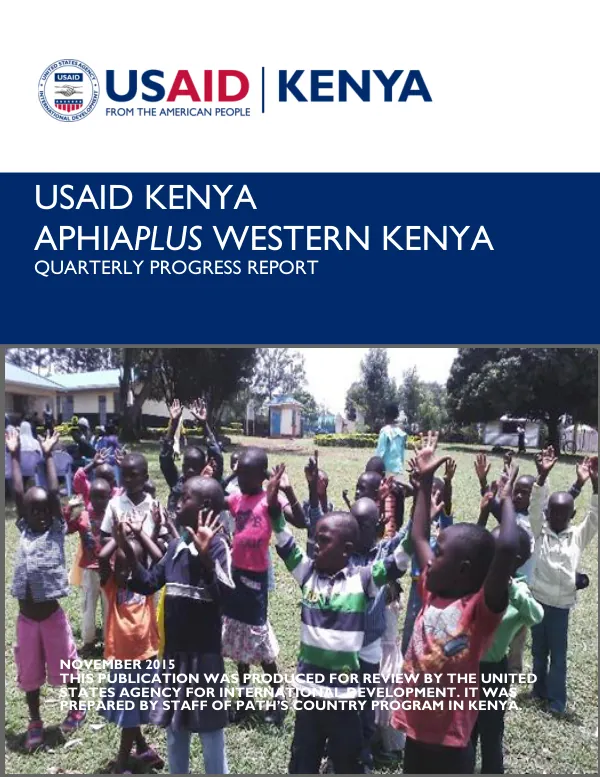
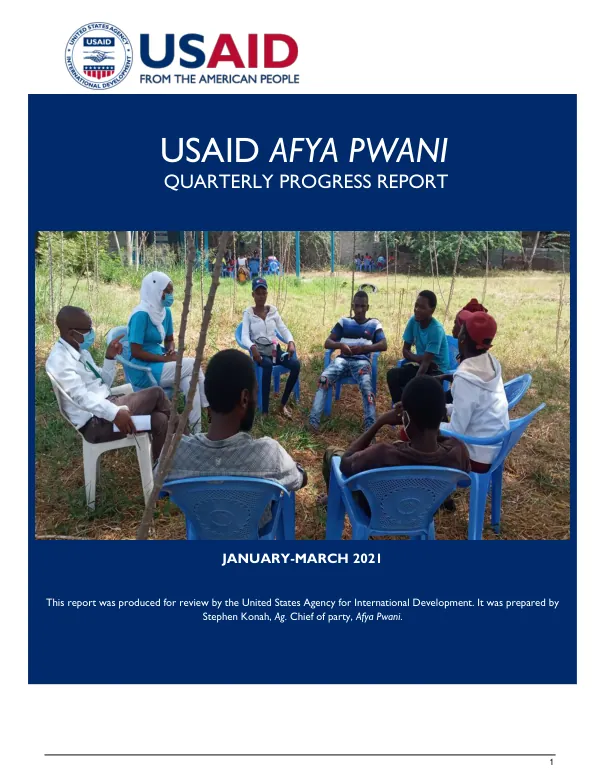
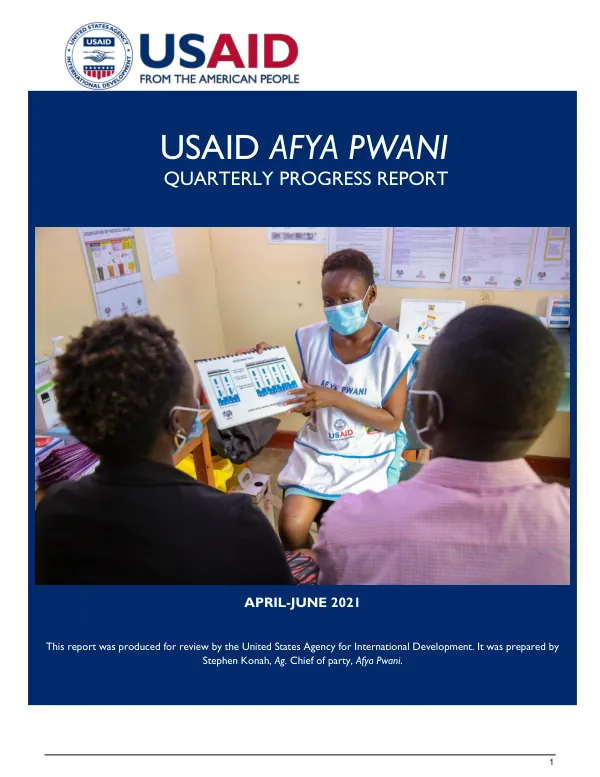
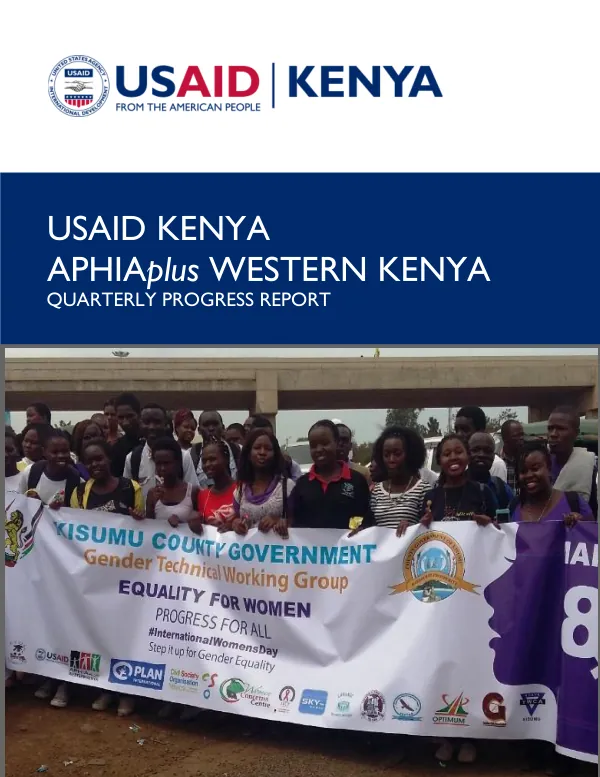
USAID KENYA (APHIAPLUS WESTERN KENYA) PROGRESS REPORT FOR Q1 FY 2016
The APHIAplus Western Kenya program, implemented by PATH in collaboration with the Kenyan Ministry of Health, aims to improve the health and well-being of the population in Western Kenya.
2016 · 94 pages
Sign in to readA free account is required to download.
Abstract
The program focuses on increasing access to quality HIV services, improving maternal and child health, and strengthening county health systems. Key achievements in the first quarter of Fiscal Year 2016 include increased HIV testing and counseling services, with a total of 12,345 individuals tested and 2,514 new HIV cases identified. The program also reported a 95% increase in the number of HIV-exposed infants tested for HIV, with 1,200 infants tested and 120 confirmed HIV-positive. In addition, the program achieved a 90% reduction in mother-to-child transmission of HIV, with only 10 cases reported in the first quarter. The program also made significant progress in improving maternal and child health services. A total of 5,000 pregnant women received antenatal care services, and 3,500 women delivered at health facilities with skilled birth attendants. The program also reported a 25% increase in the number of children under the age of five who received vaccinations, with 10,000 children vaccinated against measles and 5,000 children vaccinated against polio. In terms of strengthening county health systems, the program trained 200 health workers in HIV care and treatment, and provided 500 health workers with training in maternal and child health services. The program also established 10 new health facilities, including 5 health centers and 5 dispensaries, to increase access to health services in rural areas. The program also made progress in improving water, sanitation, and hygiene (WASH) services, with 10,000 households receiving access to clean water and 5,000 households receiving access to improved sanitation facilities. In addition, the program reported a 25% increase in the number of households with access to latrines, with 10,000 households reporting access to latrines. The program's progress is reflected in the data presented in the report, which shows a significant increase in the number of individuals accessing HIV testing and counseling services, as well as a decrease in the number of mother-to-child transmission cases. The program's achievements are also reflected in the improved health outcomes, including a decrease in the number of children under the age of five who die from preventable causes. The program's success is attributed to the strong partnerships with the Kenyan Ministry of Health, the USAID, and other stakeholders. The program's approach to improving health outcomes is based on a comprehensive strategy that addresses the social, economic, and environmental determinants of health. The program's focus on strengthening county health systems, improving maternal and child health services, and increasing access to quality HIV services has resulted in significant improvements in health outcomes. The program's progress is also reflected in the financial data presented in the report, which shows a significant increase in the number of individuals accessing health services, as well as a decrease in the number of cases of mother-to-child transmission. The program's financial data also shows a significant increase in the number of households with access to clean water and improved sanitation facilities. Overall, the APHIAplus Western Kenya program has made significant progress in improving the health and well-being of the population in Western Kenya. The program's comprehensive approach to improving health outcomes has resulted in significant improvements in health outcomes, and its strong partnerships with stakeholders have ensured the program's sustainability.