TETRA TECH ARD, INC.
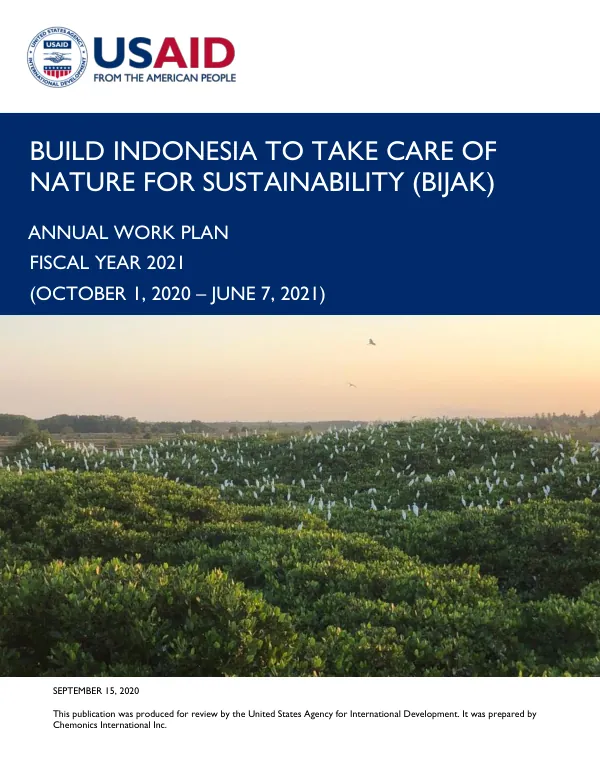
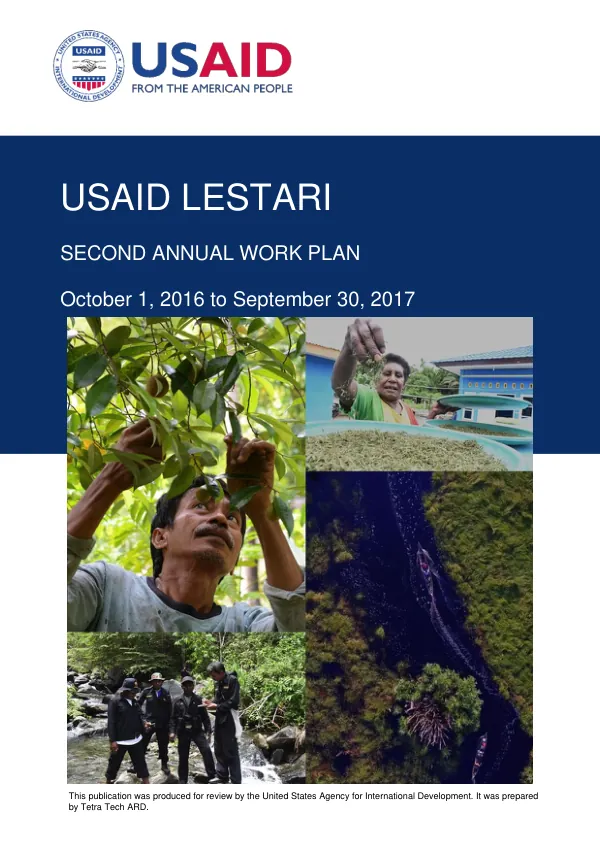
USAID LESTARI Second Annual Work Plan
The LESTARI project is a USAID-funded initiative aimed at promoting sustainable land and forest management in Indonesia.
2016 · 184 pages
Sign in to readA free account is required to download.
Abstract
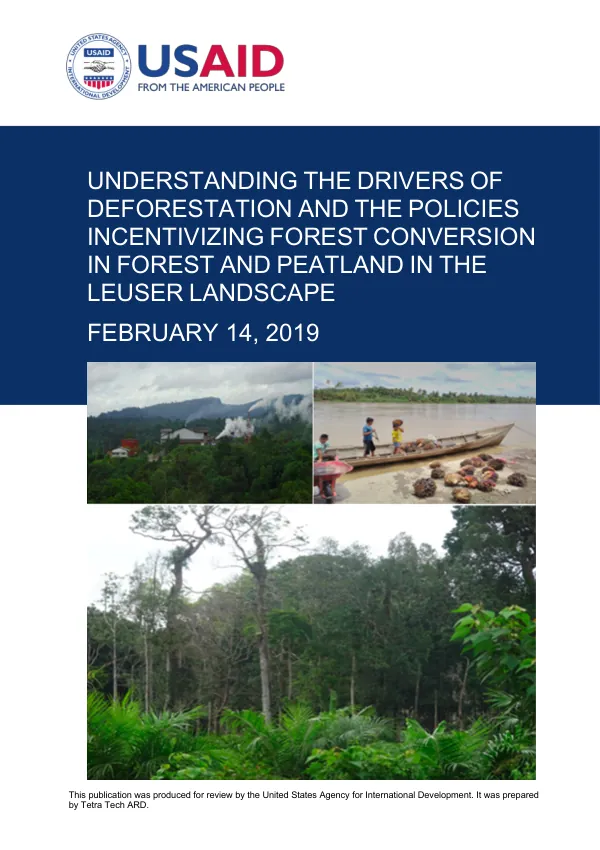
The project began in 2015 and is implemented by Tetra Tech ARD. The second annual work plan for the project covers the period from October 1, 2016, to September 30, 2017. The project focuses on three technical themes: Forest and Land Use Governance and Advocacy, Conservation Co-Management, and Private Sector Engagement. The Forest and Land Use Governance and Advocacy theme aims to improve land use governance and promote sustainable forest management through awareness and advocacy, operationalizing Special Autonomy Areas (SEAs) and Local Planning (LCPs), and sustainable landscape governance. The Conservation Co-Management theme focuses on improving forest management through co-management, protected area management, and community-led conservation. The Private Sector Engagement theme aims to promote green enterprises, private sector best management practices, and innovative financing for sustainable land and forest management. The project is implemented in several landscapes, including the Leuser Landscape, Katingan-Kahayan Landscape, Papua Landscapes, and others. The project also focuses on gender integration, grants fund, national initiatives, and landscape initiatives. The project management, coordination, and communications are critical components of the project. The project management team is responsible for overseeing the project's implementation, while the project coordination team ensures that the project's activities are aligned with the project's objectives. The project communications team is responsible for disseminating information about the project's progress and achievements. The project has several performance indicators, including the number of hectares of forest area managed sustainably, the number of communities involved in forest management, and the number of green enterprises established. The project also has a results framework that outlines the expected outcomes and indicators for each technical theme. The project's staffing plan includes a team of experts in forest management, conservation, and private sector engagement. The team is responsible for implementing the project's activities and achieving its objectives. The project's budget is allocated to support the project's activities, including personnel costs, equipment, and travel expenses. The project's geographic focus is on several landscapes in Indonesia, including the Leuser Landscape, Katingan-Kahayan Landscape, Papua Landscapes, and others. The project's timeframes are from October 1, 2016, to September 30, 2017, and the project's recommendations include continued support for sustainable land and forest management, private sector engagement, and conservation co-management. The project's implementation partners include several organizations, including the Ministry of Environment and Forestry (MoEF), the Indonesian Forest Certification Institute (IFCI), and the Indonesian Association of Forestry and Wood Products (HAKI). The project's tools include the LESTARI Strategic Approach, the LESTARI Technical Theme, and the LESTARI Results Framework. The project's achievements include the establishment of several green enterprises, the development of sustainable livelihoods support, and the improvement of forest management through co-management. The project's challenges include the need for continued support for sustainable land and forest management, private sector engagement, and conservation co-management. The project's recommendations include continued support for sustainable land and forest management, private sector engagement, and conservation co-management. The project also recommends the establishment of a national platform for sustainable land and forest management, the development of a national policy for sustainable forest management, and the establishment of a green enterprise development fund.