INTERNATIONAL MEDICAL CORPS
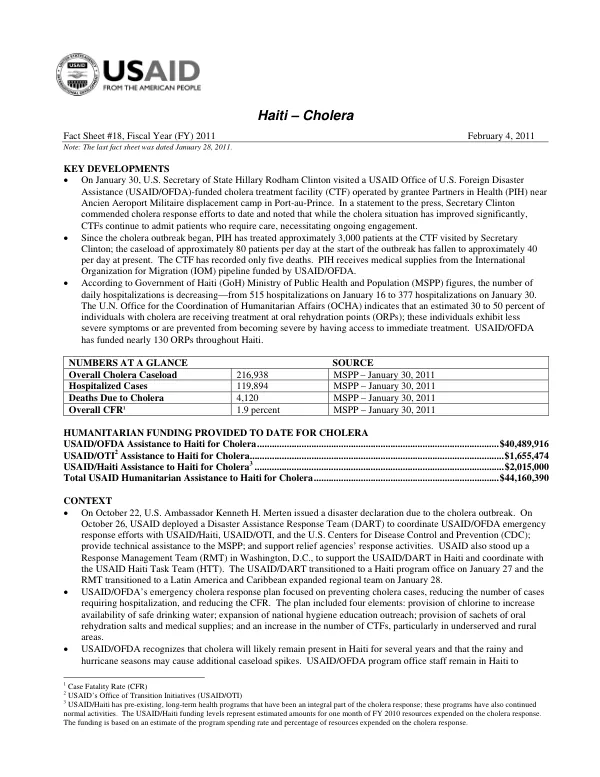
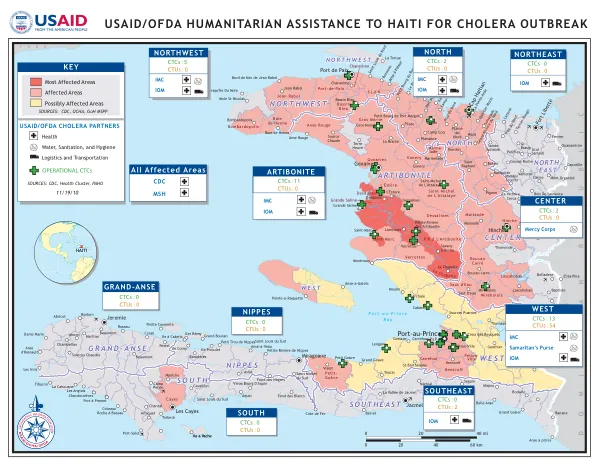
USAID/OFDA HUMANITARIAN ASSISTANCE TO HAITI FOR CHOLERA OUTBREAK
Haiti's geographical regions are divided into nine departments, each with its own distinct characteristics and challenges.
2010 · 1 pages
Sign in to readA free account is required to download.
Abstract
The Artibonite Department, located in the northern part of the country, is one of the most populous regions and is home to several major cities, including Gonaïves and Hinche. The department is characterized by its fertile soil and abundant water resources, making it an ideal location for agriculture. The Centre Department, which includes the capital city of Port-au-Prince, is the most populous region in Haiti and is home to a diverse range of cultures and communities. The department is characterized by its urban landscape, with a mix of modern and traditional architecture. The Centre Department is also home to several major economic centers, including the Port-au-Prince Free Trade Zone. The Grand'Anse Department, located in the southern part of the country, is known for its rugged terrain and scenic coastline. The department is home to several major cities, including Les Cayes and Jérémie, and is a major hub for trade and commerce. The Grand'Anse Department is also home to several major agricultural regions, including the fertile valleys of the Artibonite River. The Nippes Department, located in the southwestern part of the country, is a relatively small region that is home to several major cities, including Miragoâne and Anse-à-Veau. The department is characterized by its rugged terrain and scenic coastline, and is a major hub for trade and commerce. The Nippes Department is also home to several major agricultural regions, including the fertile valleys of the Nippes River. The North Department, located in the northern part of the country, is one of the most populous regions and is home to several major cities, including Cap-Haïten and Port-de-Paix. The department is characterized by its fertile soil and abundant water resources, making it an ideal location for agriculture. The North Department is also home to several major economic centers, including the Port-de-Paix Free Trade Zone. The North-East Department, located in the northeastern part of the country, is a relatively small region that is home to several major cities, including Fort-Liberté and Ouanaminthe. The department is characterized by its rugged terrain and scenic coastline, and is a major hub for trade and commerce. The North-East Department is also home to several major agricultural regions, including the fertile valleys of the Massif du Nord. The North-West Department, located in the northwestern part of the country, is a relatively small region that is home to several major cities, including Port-au-Prince and Gonaïves. The department is characterized by its rugged terrain and scenic coastline, and is a major hub for trade and commerce. The North-West Department is also home to several major agricultural regions, including the fertile valleys of the Artibonite River. The South Department, located in the southern part of the country, is one of the most populous regions and is home to several major cities, including Les Cayes and Jacmel. The department is characterized by its rugged terrain and scenic coastline, and is a major hub for trade and commerce. The South Department is also home to several major agricultural regions, including the fertile valleys of the Artibonite River. The West Department, located in the western part of the country, is a relatively small region that is home to several major cities, including Les Cayes and Jérémie. The department is characterized by its rugged terrain and scenic coastline, and is a major hub for trade and commerce. The West Department is also home to several major agricultural regions, including the fertile valleys of the Artibonite River. The cholera outbreak in Haiti, which began in October 2010, had a significant impact on the country's health and humanitarian situation. The outbreak was particularly severe in the Artibonite Department, where the majority of cases were reported. The Haitian government, with the support of international partners, implemented a range of measures to respond to the outbreak, including the establishment of cholera treatment centers (CTCs) and community treatment units (CTUs).
Related documents