ACTED
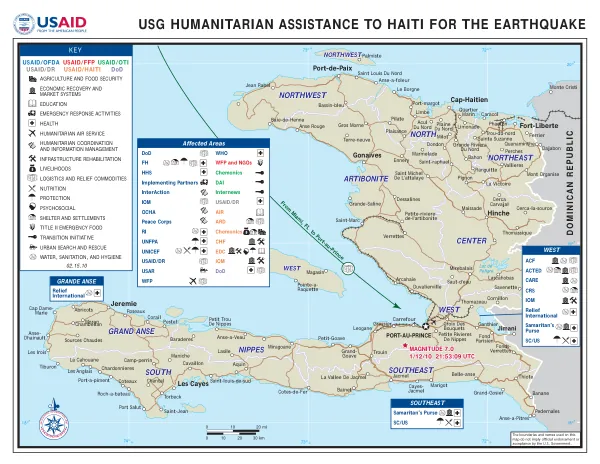
USG Humanitarian Assistance to Haiti for the Earthquake
The earthquake that struck Haiti on January 12, 2010, had a magnitude of 7.0 and occurred at 21:53:09 UTC.
2010 · 2 pages
Sign in to readA free account is required to download.
Abstract
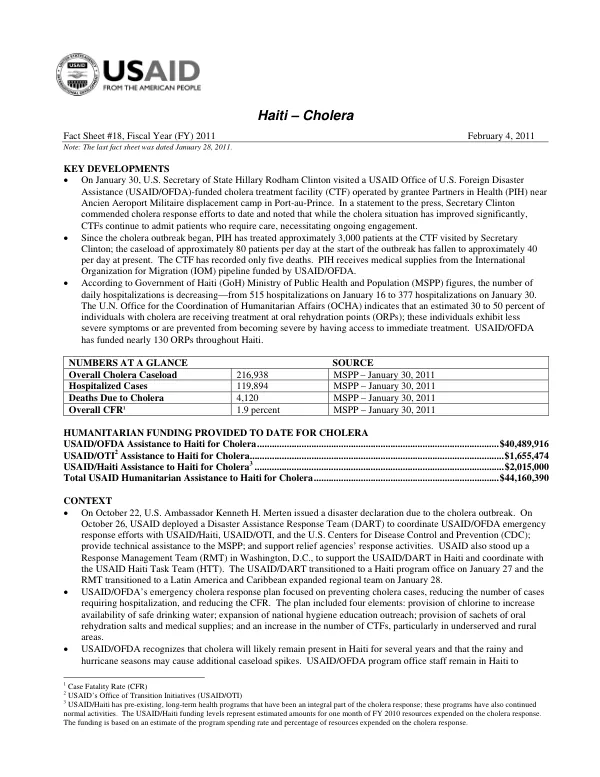
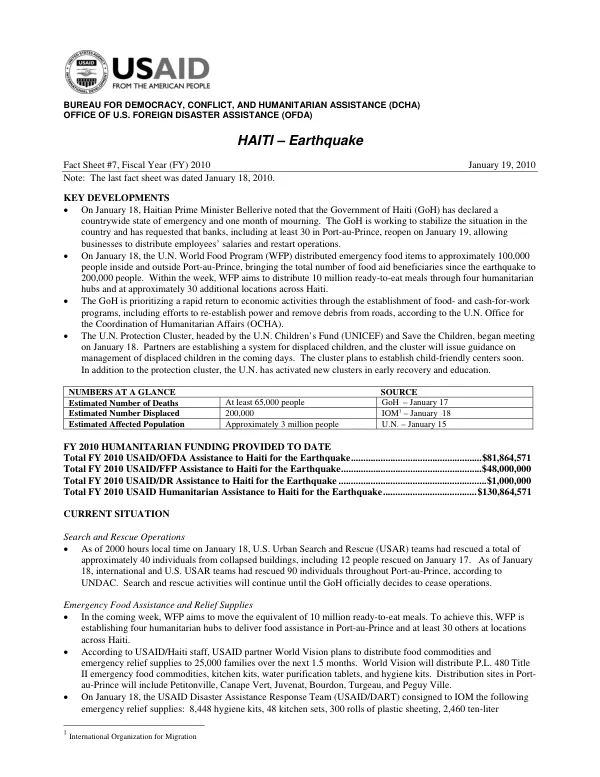
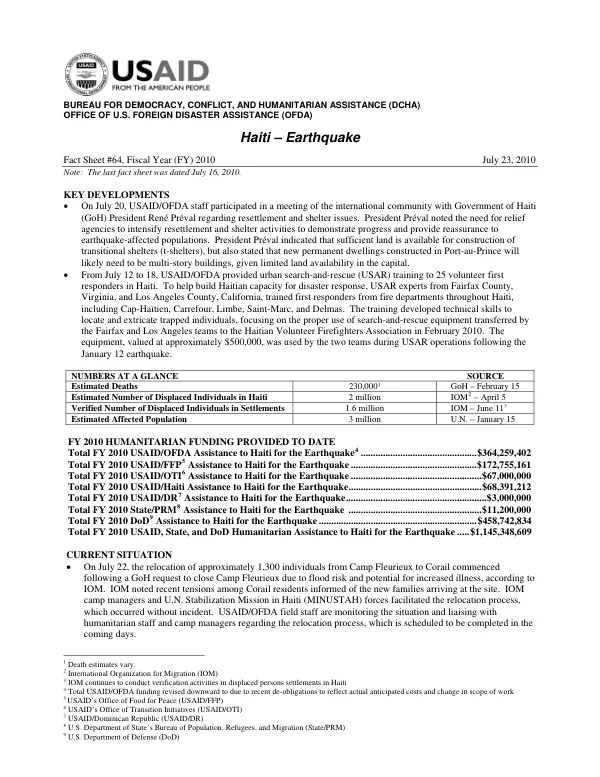
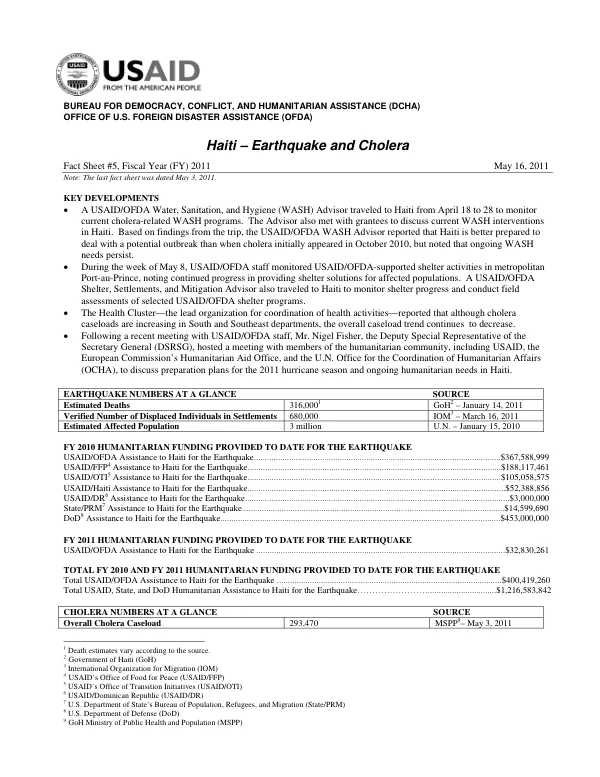
The epicenter was located in the region of Léogâne, approximately 16 miles west of Port-au-Prince. The earthquake caused widespread destruction and resulted in significant loss of life, with an estimated 200,000 people killed and 300,000 injured. The Modified Mercalli (MMI) Intensity Scale was used to measure the severity of the earthquake's impact. According to this scale, the commune of Léogâne was classified as having experienced extreme shaking, with 80-90% of the area destroyed. The commune of Gressier was classified as having experienced very strong shaking, with 40-50% of the area destroyed. The commune of Jacmel was classified as having experienced strong shaking, with 50-60% of the area destroyed. The earthquake also had a significant impact on the population of Haiti. According to the Government of Haiti (GoH), approximately 800,000 to 1,000,000 people were displaced by the earthquake. Additionally, an estimated 2,000,000 people were in need of food assistance, and 3,000,000 people were affected by the disaster. The population movement following the earthquake was significant, with many people leaving the affected areas and moving to other parts of the country. According to the Office for the Coordination of Humanitarian Affairs (OCHA), approximately 31,253 people were displaced from the Northwest department, while 13,531 people were displaced from the North department. The Center department was also significantly affected, with an estimated 90,000 people displaced. The earthquake also had a significant impact on the economy of Haiti. The estimated damage to infrastructure and property was substantial, with many buildings and roads destroyed or severely damaged. The earthquake also had a significant impact on the country's agricultural sector, with many crops destroyed or damaged. The humanitarian response to the earthquake was significant, with many organizations and governments providing assistance to the affected population. The United States Agency for International Development (USAID) played a key role in the response, providing funding and support for relief efforts. Other organizations, including the United Nations, the Red Cross, and non-governmental organizations (NGOs), also provided significant assistance. The earthquake had a significant impact on the population of Haiti, resulting in significant loss of life, displacement, and economic damage. The humanitarian response to the disaster was significant, with many organizations and governments providing assistance to the affected population.
Related documents