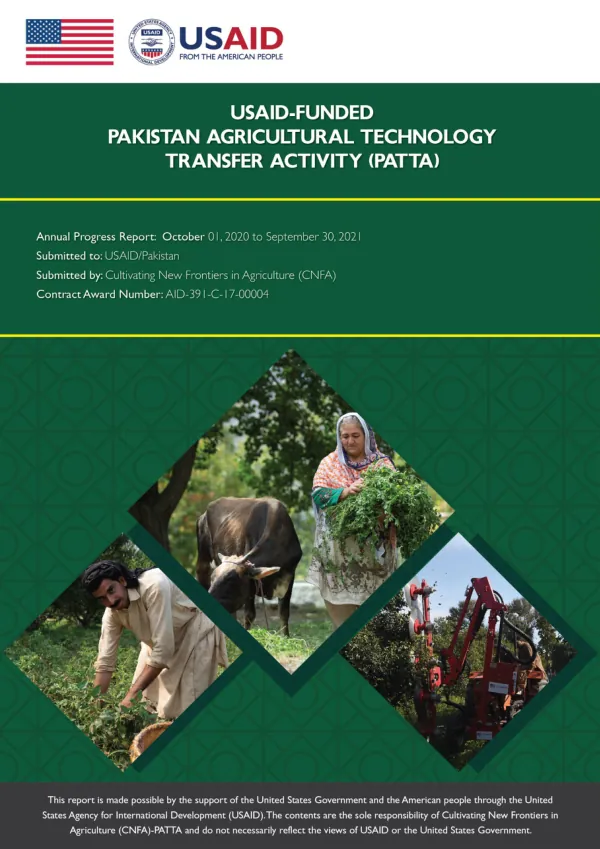
CULTIVATING NEW FRONTIERS IN AGRICULTURE
Vegetable Crop Production Manual - May 2019
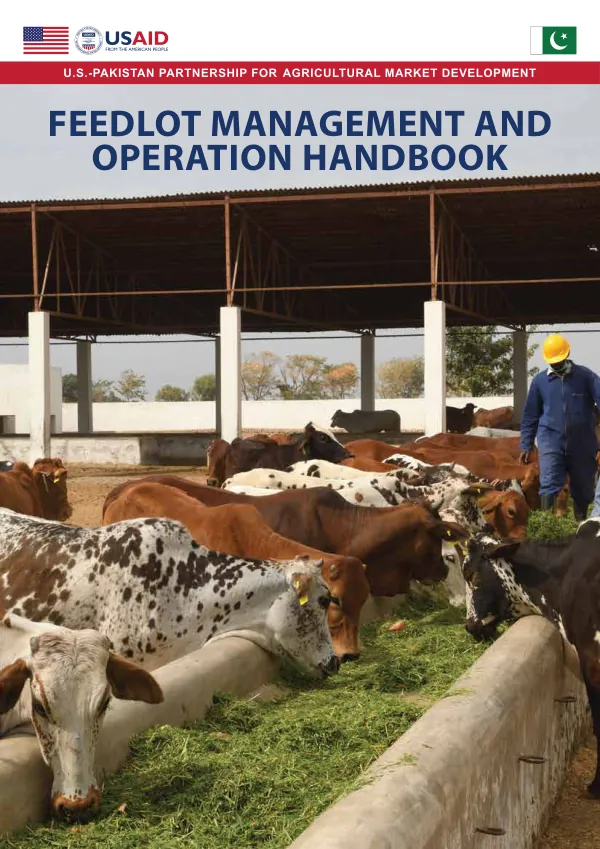
The construction of a feedlot is a critical component of cattle feeding operations.
2019 · 114 pages
Sign in to readA free account is required to download.
Abstract
The location of the feedlot is a key factor in its economic performance, with factors such as access to land, water, and labor resources playing a significant role. Family-owned and operated feedlots are developing to produce more finished cattle from the land, feed, and labor resources under the family's management. Feedlot farmers often choose to locate their operations on existing land and operational facilities where the family resides. However, many have shed-tied feeding facilities, which can be modified to accommodate an efficient 500-head feedlot. These facilities require free access to water and adequate space for cattle movement. Animal selection is a crucial aspect of feedlot management, with criteria such as breed, age, and health status being considered. The procurement process involves evaluating the quality and quantity of animals to be purchased, with factors such as feed efficiency and growth rate being taken into account. Fodder production and preservation practices are essential for feedlot operations, with crops such as oats, ryegrass, and alfalfa being commonly used. The development of a profitable fodder plan involves considering factors such as crop selection, soil type, and climate. Preservation methods such as silage and hay are used to maintain the quality and nutritional value of fodder. Improved feedlot management practices involve optimizing feed intake, water consumption, and manure management. Feeding newly bought animals in the feedlot requires careful consideration of their nutritional needs, with factors such as age, breed, and health status being taken into account. Health management of feedlots involves monitoring for diseases and implementing control measures to prevent the spread of illness. Least cost feed formulation for feedlot involves evaluating the nutritional needs of cattle and selecting the most cost-effective feed options. This process requires considering factors such as feed quality, quantity, and price, as well as the nutritional requirements of the cattle. The use of total mixed rations (TMR) is a common practice in feedlot operations, with the goal of providing a balanced and nutritious diet for the cattle. The handbook provides a comprehensive guide to feedlot management and operation, covering topics such as construction, procurement, fodder production, and improved feedlot management practices. The use of tables and figures throughout the handbook provides a clear and concise presentation of the information, making it an essential resource for feedlot operators and managers. The handbook is a result of collaboration between the U.S.-Pakistan Partnership for Agricultural Market Development and other organizations, including the Cultivating New Frontiers in Agriculture (CNFA) and the International Short-Term Technical Assistance (ISTTA). The handbook is intended to provide training and guidance to feedlot operators and managers in Pakistan, with the goal of improving the efficiency and productivity of feedlot operations. The handbook covers a range of topics related to feedlot management, including animal selection, fodder production, and improved feedlot management practices. The use of tables and figures throughout the handbook provides a clear and concise presentation of the information, making it an essential resource for feedlot operators and managers. The handbook is a valuable resource for anyone involved in feedlot operations, providing a comprehensive guide to the construction, procurement, fodder production, and improved feedlot management practices. The use of tables and figures throughout the handbook provides a clear and concise presentation of the information, making it an essential resource for feedlot operators and managers.