USAID | PROJECTO DELIVER
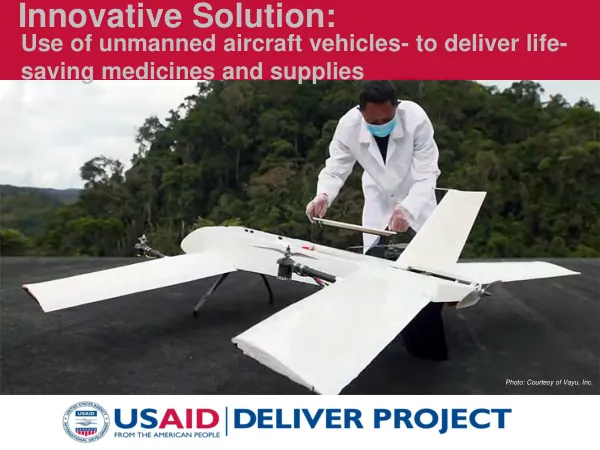
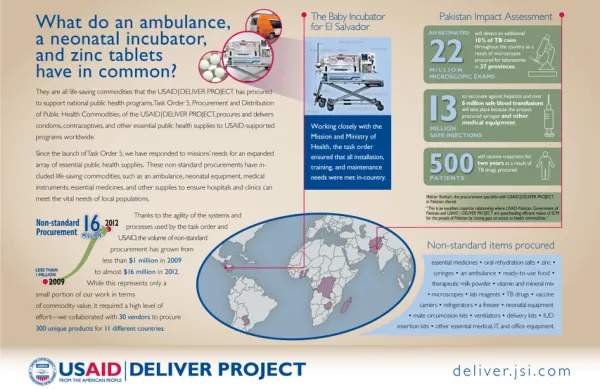
What do an ambulance, a neonatal incubator, and zinc tablets have in common?
The region's agricultural sector was characterized by small-scale farming, with the majority of farmers relying on rain-fed agriculture and lacking access to modern inputs and technologies.
2013 · 1 pages
Sign in to readA free account is required to download.
Abstract
The training programs emphasized the importance of crop rotation, composting, and conservation agriculture, which were found to be effective in improving soil fertility and reducing erosion. The initiative's focus on women-headed households was aimed at addressing the disproportionate impact of poverty and food insecurity on this demographic. By providing training and support to women farmers, the initiative aimed to improve their economic empowerment and food security. The evaluation also found that the initiative's interventions had a positive impact on the overall agricultural productivity and market access in the region. The results of the midterm evaluation informed the initiative's adjustments and scaling up of interventions to reach more farmers and communities. The initiative's success was attributed to the collaborative efforts of local stakeholders, including farmers, extension agents, and government officials. The initiative's focus on building capacity and empowering local actors was seen as a key factor in its success. The initiative's lessons and best practices were shared with other stakeholders in the region, with the aim of promoting sustainable agricultural development and improving food security in Rwanda.
Connected topics