INTERNEWS
2019 MEDIA CONSUMPTION AND MEDIA AND INFORMATION LITERACY SURVEY
The agricultural development initiative in Kazakhstan, Tajikistan, and Uzbekistan aimed to identify the structure of the media environment in these countries, the preferences and expectations of the audience, and the audience's self-assessment of its media literacy.
2019 · 39 pages
Sign in to readA free account is required to download.
Abstract
The study was conducted within the framework of the "Central Asia Media Program" (MediaCAMP), funded by the U.S. Agency for International Development (USAID) and implemented by Internews. The research objectives included identifying the popular sources of information, determining the level of trust in them, and identifying preferences for various types of media and means for accessing media content. The study also aimed to determine the state of media and digital literacy of the audience. A quantitative survey was conducted among 3,000 respondents in each country, aged 14-65 years, with a multistage and stratified sample design. The study found that televisions remain the most common device in the countries surveyed, with almost all households having one. Mobile phones have become widespread, with a significant percentage of households also having devices such as tablets, antennas, and video recorders. However, the prevalence of personal and home libraries is lower, with only one-third of respondents in Uzbekistan owning a personal library. The main tools for distributing and consuming information in Kazakhstan are TV, mobile phones, and smartphones. In Uzbekistan and Tajikistan, television is popular as a source of information among all age groups. The internet is more popular in Kazakhstan, with 52.8% of respondents getting their information primarily from websites, compared to 25.5% in Uzbekistan and 34.9% in Tajikistan. The study also found that the popularity of the internet decreases as age increases in all three countries. In Kazakhstan, 52.8% of respondents aged 14-18 and 19-29 get their information primarily from websites, compared to 45.5% in the 30-39 age group and 34.5% in the 40-49 age group. In Uzbekistan, 25.5% of respondents aged 14-18 and 19-29 get their information primarily from websites, compared to 18.5% in the 30-39 age group and 12.5% in the 40-49 age group. The study's findings have implications for media development and literacy programs in Central Asia. The results highlight the importance of television as a source of information in Uzbekistan and Tajikistan, and the need to improve internet access and digital literacy in these countries. The study also underscores the need for media development programs to take into account the preferences and expectations of the audience, and to provide training and support for media professionals and journalists. The study's methodology included a quantitative survey among 3,000 respondents in each country, as well as a qualitative survey among 10 experts in each country. The study's findings are based on the analysis of the survey data and the results of the qualitative survey. The study's conclusions highlight the importance of understanding the media environment and the preferences of the audience in Central Asia. The study's findings have implications for media development and literacy programs in the region, and highlight the need for continued research and analysis to better understand the media landscape in Central Asia. The study's recommendations include the need for media development programs to take into account the preferences and expectations of the audience, and to provide training and support for media professionals and journalists. The study also recommends the need for continued research and analysis to better understand the media landscape in Central Asia, and to identify areas for improvement in media development and literacy programs. The study's methodology and findings have implications for media development and literacy programs in Central Asia, and highlight the importance of understanding the media environment and the preferences of the audience in the region.
Related documents
Documents in this collection
 2021
2021USAID DEC
USAID Central Asia Regional Development Cooperation Strategy (RDCS) 2020-2025 Results Framework and Performance Management Plan (PMP) Baseline Assessment
Open record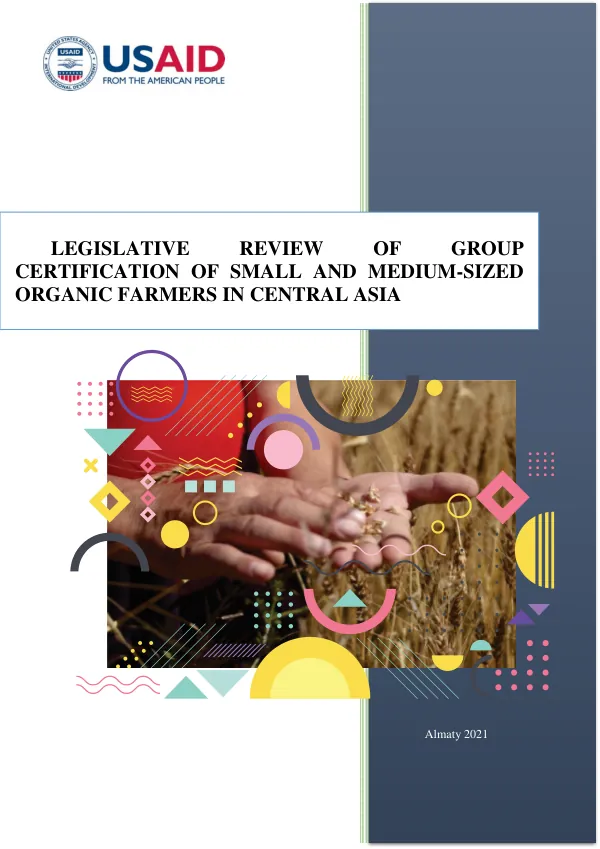 2021
2021USAID DEC
LEGISLATIVE REVIEW OF GROUP CERTIFICATION OF SMALL AND MEDIUM-SIZED ORGANIC FARMERS IN CENTRAL ASIA
Open record