CATHOLIC RELIEF SERVICES ORGANIZATION
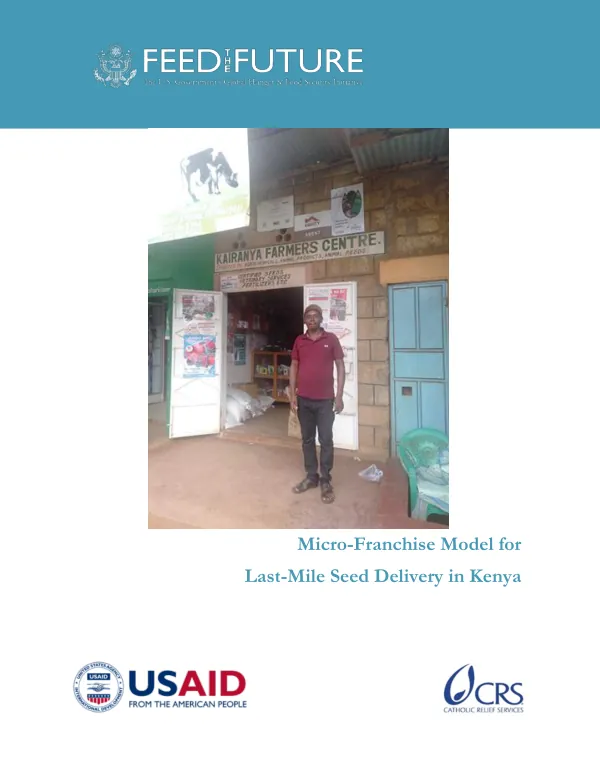
Existing and Potential Business Models on Last Mile Delivery of Seeds
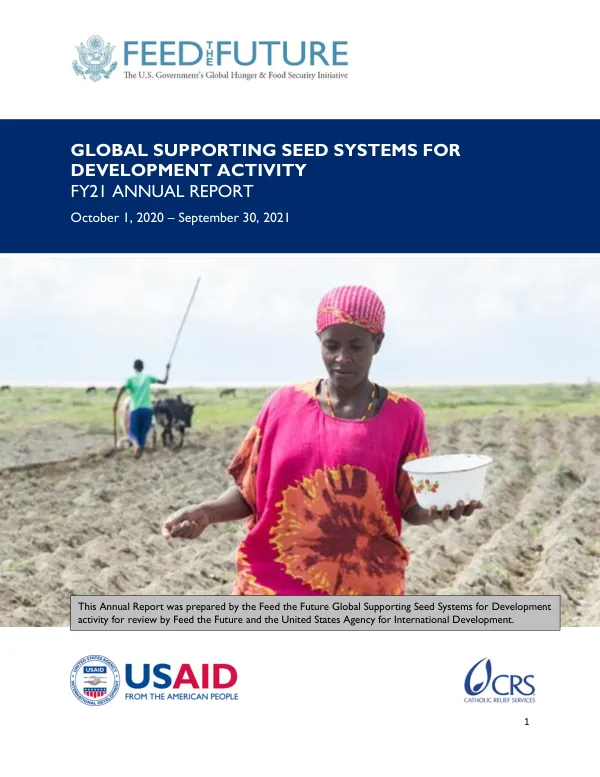
The Feed the Future Global Supporting Seed Systems for Development activity aimed to improve the functioning of high-impact integrated seed systems.
2019 · 53 pages
Sign in to readA free account is required to download.
Abstract
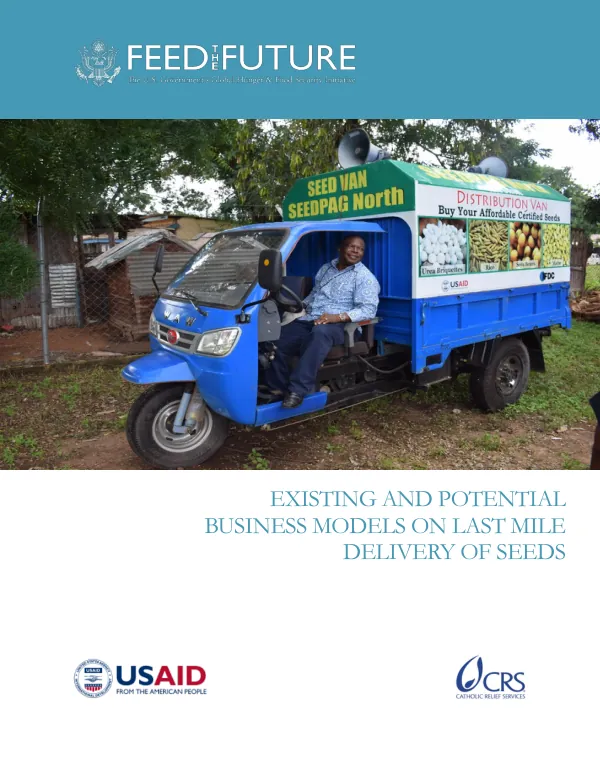
This report, submitted by IFDC, focuses on existing and potential business models for last-mile delivery of seeds. The activity began on August 24, 2018, and concluded on August 23, 2023, under Cooperative Agreement 7200AA18LE00004. The report identifies various business models operating in the formal and informal seed sectors in sub-Saharan Africa. Formal seed system models are driven by government-backed entities, including seed parastatals and relief-based models that encompass seed aid, seed vouchers, and trade fair approaches. Informal seed system models, on the other hand, are driven by commodity traders and community-based seed producers. The report highlights the agro-dealer model as a core component of the certified seed delivery system, with a network of rural-based brick and mortar agro-dealer enterprises operating with varying capacities and structures. The Village-Based Advisor (VBA) model combines seed delivery with on-the-ground extension service support. Access to finance is identified as a major factor affecting farmers' productivity, leading to the development of innovative models offering agricultural inputs and services on credit. Organizations such as the One Acre Fund (OAF) have developed social enterprise models offering input credit, while other organizations like Apollo Agriculture, Tulaa, and Agri-wallet have taken a similar approach with digital financing, use of intermediaries, and local networks. These models recruit small-scale farmers every season with packages of input supplies, crop insurance, and extension services. The report also explores models specific to vegetatively propagated crops, such as Irish potato, sweet potato, and cassava. These seed systems are characterized by being farmer and trader driven, with a focus on local landraces and community-based seed multiplication and distribution. The report concludes by recognizing the importance of formal and informal working relationships between various players in the seed value chain to ensure the delivery of quality seed at the last mile. The dominant models operating in the informal seed system level are those driven by commodity traders and community-based seed producers, while formal seed system models are responsible for the distribution of certified seed. The report's findings have implications for the development of effective seed delivery systems in sub-Saharan Africa, highlighting the need for a series of formal and informal working relationships between various players in the seed value chain. The report's recommendations can inform the design and implementation of future seed delivery initiatives, ultimately improving the functioning of high-impact integrated seed systems.