USAID DEC
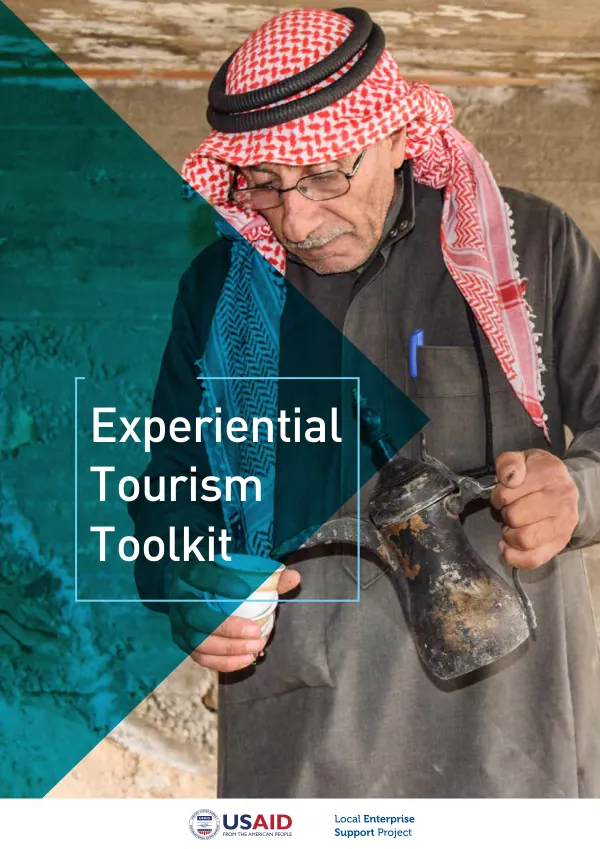
Experiential Tourism Toolkit
The Experiential Tourism Toolkit is a comprehensive guide created by the USAID Jordan Local Enterprise Support Project (LENS) experiential tourism team.
2018 · 36 pages
Sign in to readA free account is required to download.
Abstract
The toolkit is designed to be functional and usable for any tourism-related party interested in identifying and marketing local and remote experiences. The team has been working on this subsector since July 2016, conducting thorough research on experiential tourism, which is crosscutting with adventure tourism, rural, community-based tourism, and responsible tourism. Experiential tourism is about direct engagement between travelers and skilled local community members who have something to offer. The toolkit aims to address the major components needed to sell and promote an enjoyable experience, from finding authentic people to packaging an experience, and everything in between. The toolkit is built on the Jordanian context, drawing inspiration from various resources and people, including the Northern Ireland Tourist Board Experiential Toolkit and Jack Delf, who consulted USAID LENS on adventure tourism projects. The toolkit consists of several tools, including the Identification Tool, Phone Interview Tool, Training Content, Initial Visit Assessment, Testing Experiences, Photography Guide, Lessons Learned, and annexes. The Identification Tool outlines the main methods used to identify potential experience hosts, such as Community-Based Organizations (CBOs), Non-Governmental Organizations (NGOs), markets and bazars, social media, referrals and nominations, and government institutions. The Phone Interview Tool serves as a guiding structure for conducting phone interviews with potential experience hosts. The tool outlines the steps to follow, including introducing oneself, describing the project, asking about the host's work, and scheduling a visit. The tool also emphasizes the importance of being culturally sensitive and not raising expectations or making promises. The toolkit also includes a Confirmation Phone Call tool, which outlines the points to cover when confirming the visit with the potential experience host. This includes reminding them of the previous conversation, confirming the day of the visit, getting information about their location, and giving them a time window. The toolkit is dedicated to the people who live in villages, rural, and urban areas around Jordan, who have been the constant motivation behind its creation. The toolkit aims to help tourism-related parties identify and market local and remote experiences, highlighting the unique treasures of Jordan, including its food, art, music, nature, and culture.