THE WORLD FOOD PROGRAMME
Final Report: Food for Peace Fact Sheet Cameroon
Food for Peace in Cameroon began with a focus on addressing the country's food security challenges.
2009 · 1 pages
Sign in to readA free account is required to download.
Abstract
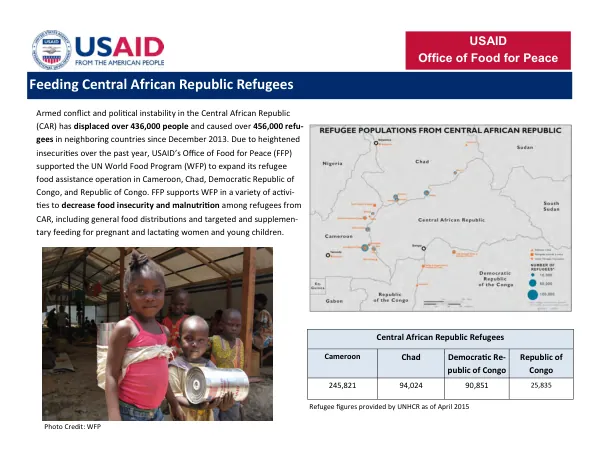
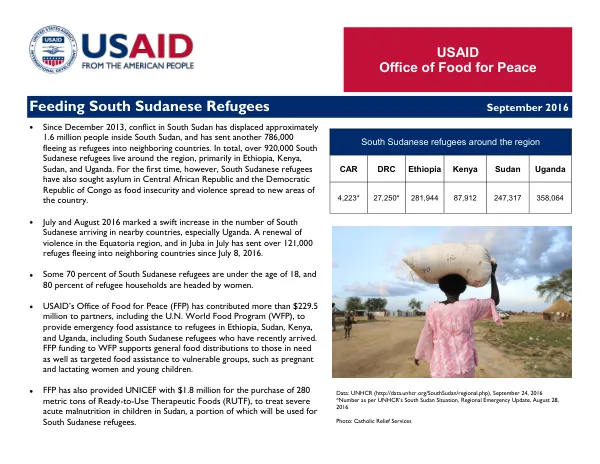
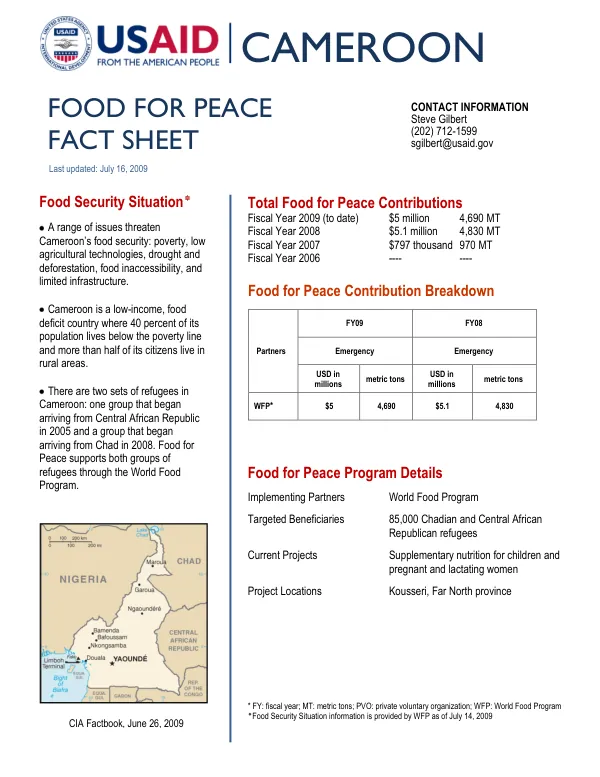
Poverty, low agricultural technologies, drought, deforestation, food inaccessibility, and limited infrastructure are among the issues threatening the country's food security. Cameroon is a low-income, food deficit country where 40% of its population lives below the poverty line and more than half of its citizens reside in rural areas. The country hosts two groups of refugees: one from the Central African Republic, which began arriving in 2005, and another from Chad, which started arriving in 2008. Food for Peace supports both groups through the World Food Program. The program's targeted beneficiaries include 85,000 Chadian and Central African Republic refugees. The World Food Program is the implementing partner for the Food for Peace program in Cameroon. The program's current projects focus on supplementary nutrition for children and pregnant and lactating women. The project locations are primarily in Kousseri, Far North province. The program's goal is to address the food security challenges faced by the refugees and the local population. According to the World Food Program, supplementary nutrition for children and pregnant and lactating women is a critical component of the program. This intervention aims to address malnutrition and improve the overall health and well-being of the targeted beneficiaries. The program's impact is expected to be significant, particularly in areas where access to food and nutrition is limited. The Food for Peace program in Cameroon is part of a broader effort to address the country's food security challenges. The program's focus on supplementary nutrition and support for refugees and vulnerable populations is critical to improving the food security situation in the country. The program's success will depend on the effective implementation of its projects and the continued support of its partners.
Related documents