USAID DEC
Gender Integration Analysis Report
GENDER INTEGRATION ANALYSIS REPORT The agricultural development initiative in Sierra Leone, led by SNAP, aimed to promote sustainable nutrition and agriculture practices among rural communities.
2011 · 203 pages
Sign in to readA free account is required to download.
Abstract
The initiative began in 2011, with a focus on six communities in Bombali, Tonkolili, Koinadugu, and Kailahun Districts. The Participatory Gender Analysis (PGA) was conducted to identify and address gender-related challenges and inequalities in these communities. The PGA process involved a planning and training phase, a participatory phase, and a desk review. The participatory phase included the use of various tools, such as the Harvard Analytical Approach Tool, the Gender Communication Profile Tool, and the Daily Activity Mapping Tool, to engage community members in the analysis process. The desk review involved a review of existing literature and data on the communities included in the participatory analysis. The analysis revealed several key findings related to gender inequalities and challenges in the communities. These included limited access to education and literacy, particularly among women; high rates of female genital cutting and early and forced marriage; and limited access to healthcare, including maternal healthcare. The analysis also highlighted the importance of men's involvement in maternal health and pregnancy care. The report identifies several structural inequalities and disadvantages that contribute to these challenges, including limited access to resources and benefits, limited participation in decision-making, and limited communication and literacy skills. The analysis also highlights the importance of addressing these inequalities in order to promote sustainable development and improve the well-being of rural communities. The report provides several recommendations for mainstreaming gender into the SNAP program, including the development of a gender training manual and the establishment of a gender focal point within the organization. The report also recommends the use of participatory gender analysis tools and the establishment of a monitoring and evaluation system to track progress and identify areas for improvement. The analysis and recommendations presented in this report are based on a comprehensive review of existing literature and data, as well as the results of the Participatory Gender Analysis conducted in six communities in Sierra Leone. The report provides a detailed understanding of the gender-related challenges and inequalities in these communities and offers practical recommendations for addressing these challenges and promoting sustainable development. The report highlights the importance of addressing gender inequalities and challenges in order to promote sustainable development and improve the well-being of rural communities. The recommendations presented in this report are designed to support the SNAP program in its efforts to mainstream gender and promote sustainable nutrition and agriculture practices among rural communities in Sierra Leone. The report emphasizes the need for a comprehensive approach to addressing gender inequalities and challenges, including the development of policies and programs that address the specific needs and concerns of women and girls. The report also highlights the importance of engaging men and boys in efforts to promote gender equality and address gender-based violence. The analysis and recommendations presented in this report are designed to support the SNAP program in its efforts to mainstream gender and promote sustainable nutrition and agriculture practices among rural communities in Sierra Leone. The report provides a detailed understanding of the gender-related challenges and inequalities in these communities and offers practical recommendations for addressing these challenges and promoting sustainable development.
Related documents
Documents in this collection
 2021
2021USAID DEC
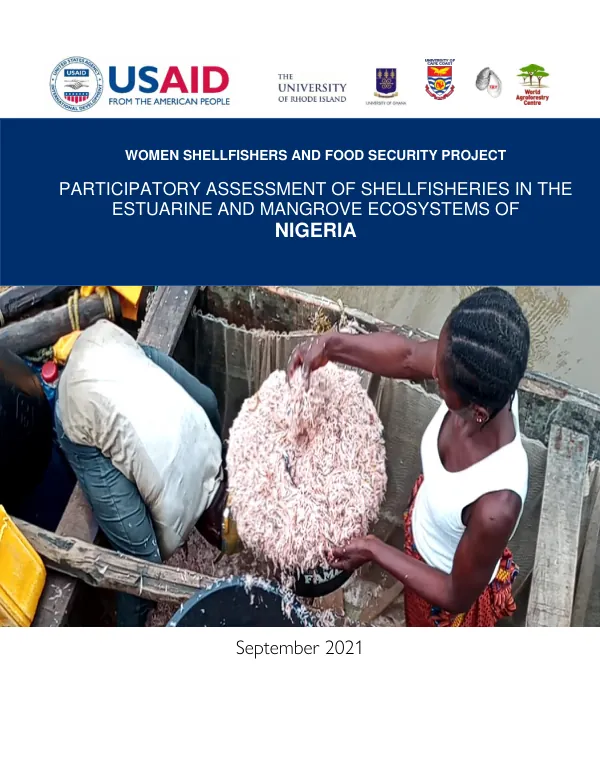
Participatory Assessment of Shellfisheries in the Estuarine and Mangrove Ecosystems of Nigeria
Open record 2021
2021USAID DEC