FOOD AND AGRICULTURE ORGANIZATION OF THE UNITED NATIONS IN GEORGIA
Greenhouse Gas Emissions in Zimbabwe
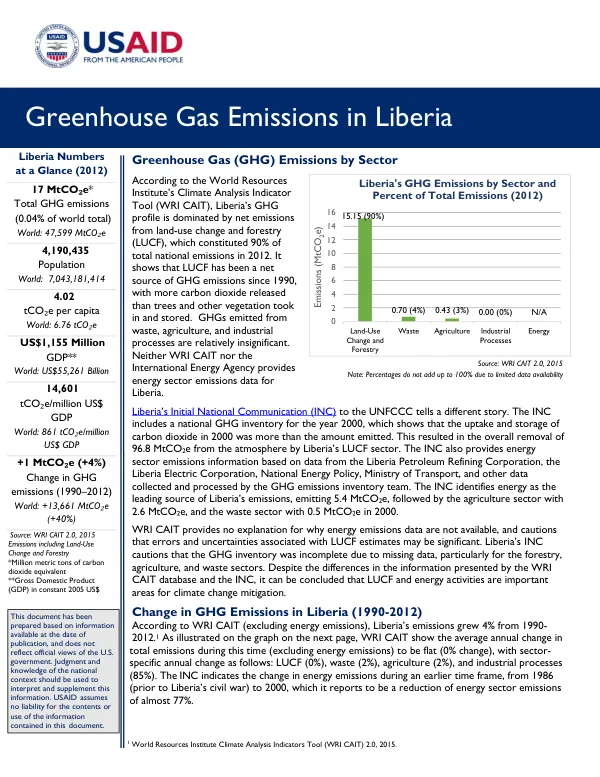
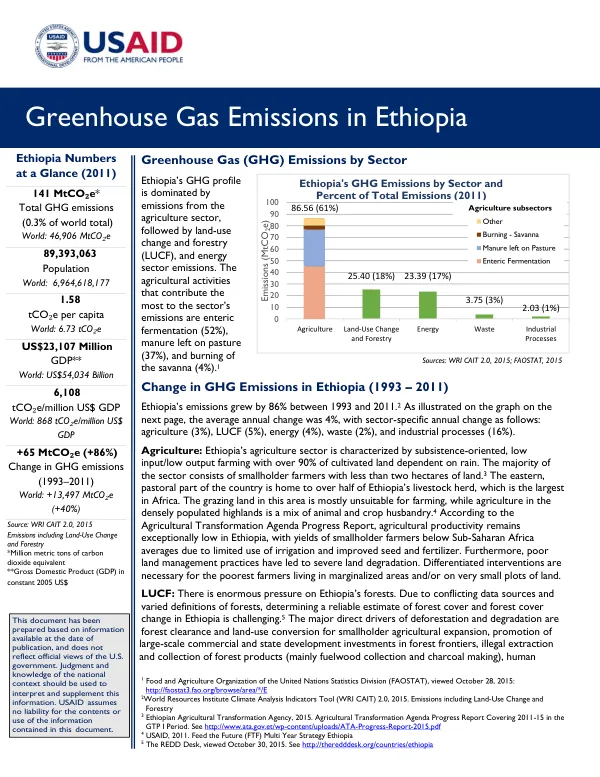
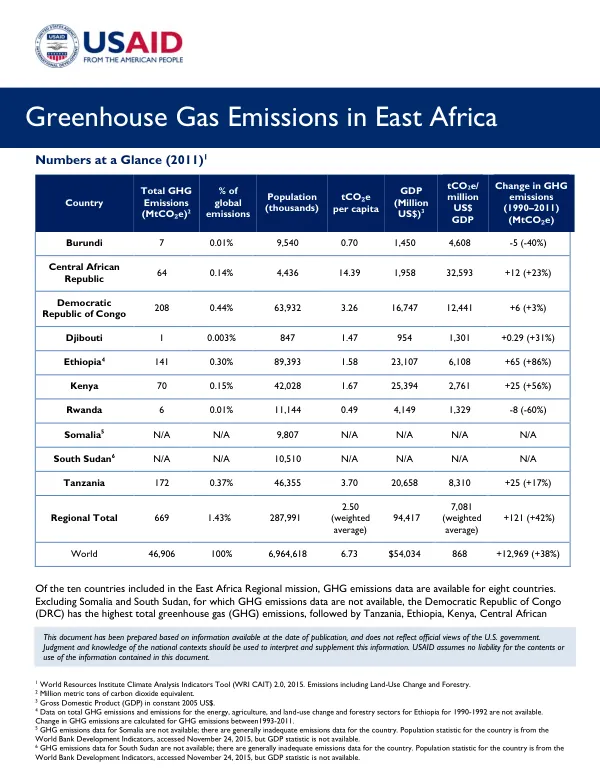
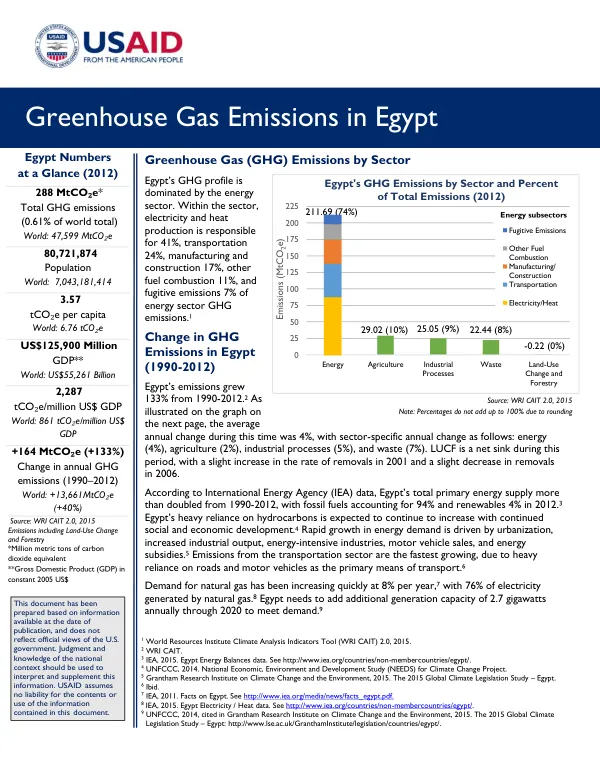
Zimbabwe's greenhouse gas (GHG) emissions for 2011 are primarily attributed to the land use change and forestry (LUCF) sector, accounting for 37.69% of total emissions.
2015 · 2 pages
Sign in to readA free account is required to download.
Abstract
The energy sector is the second-largest contributor, accounting for 20% of total emissions. Agriculture and industrial processes sectors also contribute significantly to GHG emissions, accounting for 18% and 2% of total emissions, respectively. The LUCF sector's emissions originate from two sub-sectors: forest land and the burning of biomass. Harvesting of biomass fuel and land clearing for agriculture are identified as the main drivers of deforestation in Zimbabwe. The country's population relies heavily on forests for firewood, construction timber, food, and fodder, leading to pressure on forest resources. Emissions from the energy sector display significant fluctuation during 1990-2011, particularly from electricity and heat production, transport, and other fuel combustion. Biofuels and waste are the primary energy sources for the country, increasing during this time period. As of 2012, energy is primarily supplied by biofuels and waste (66%), followed by coal, oil, and hydropower. Zimbabwe's GDP fluctuated during 1990-2011 due to political and economic challenges. Data on carbon emissions indicate that the carbon intensity of the total primary energy supply has declined during the same period. The country's economic base consists of agriculture, forestry, energy, tourism, and industry, with approximately 10-15% of GDP coming from the primarily rain-fed agricultural sector. The Intended Nationally Determined Contribution (INDC) recognizes opportunities for climate change mitigation through climate-smart agriculture and sustainable agro-forest-based adaptation and management. The forestry sector contributed 3.4% to GDP in 2011. The mitigation component of the INDC focuses on the energy sector, with a pledge to achieve energy emissions per capita by 2030 that are 33% below the projected business-as-usual level. Key actions to achieve the mitigation goal include increasing hydropower in the energy mix, energy efficiency improvement, refurbishment and electrification of the rail system, ethanol blending, solar water heaters, coal-bed methane power generation, off-grid solar power, integrated waste management, changing thermal power station technologies, reviewing the transport system, and REDD+ implementation. Additional policies and strategies include the Environmental Management Act, Energy Regulatory Authority Act (2011), National Energy Policy (2012), and the Draft National Climate Change Response Strategy that recognizes mitigation and low-carbon development strategies. Zimbabwe's GHG emissions decreased by 10% from 1990-2011, with an average annual change of -1%. The sector-specific annual change was -2% for energy, 3% for industrial processes, 0% for agriculture, 1% for waste, and 0% for LUCF. The country's total GHG emissions for 2011 were 64 MtCO₂e, accounting for 0.14% of the world's total emissions. The carbon intensity of the total primary energy supply has declined during the same period.