INTERNATIONAL FOOD AND POLICY RESEARCH INSTITUTE
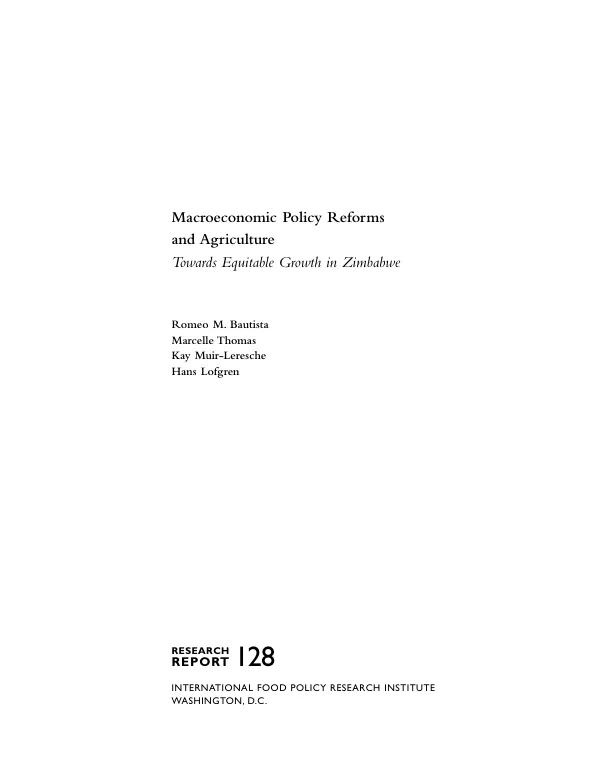
Macroeconomic Policy Reforms and Agriculture Towards Equitable Growth in Zimbabwe
The Macroeconomic Policy Reforms and Agriculture report focuses on the relationship between macroeconomic policy reforms and agricultural development in Zimbabwe.
148 pages
Sign in to readA free account is required to download.
Abstract
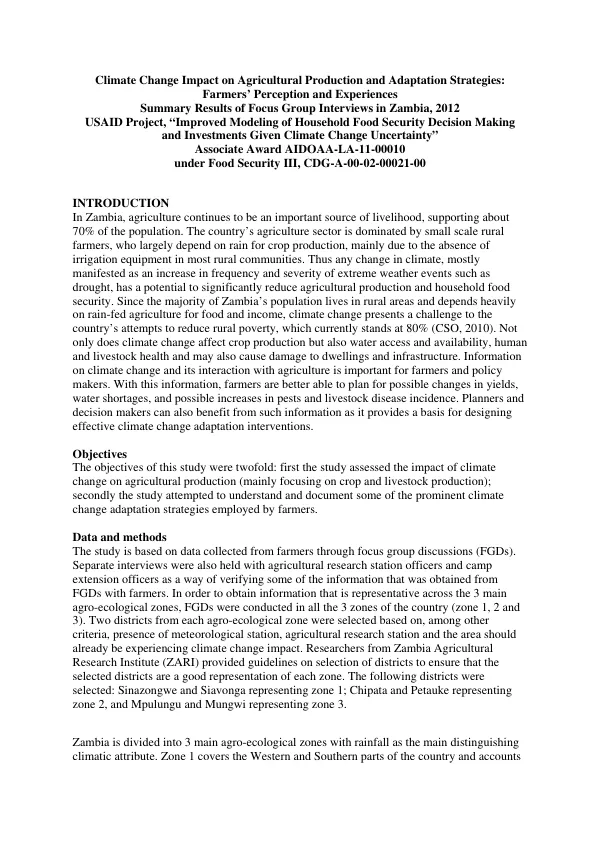
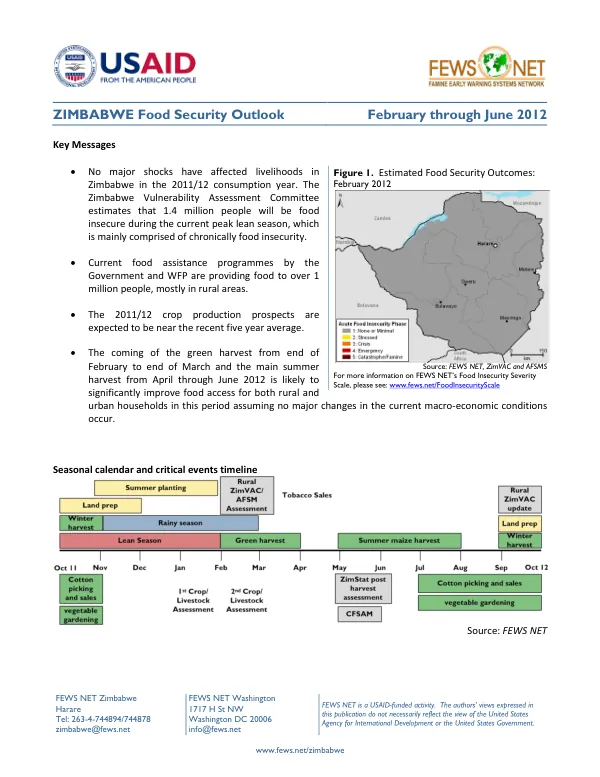
The report is a collaborative effort between researchers from the International Food Policy Research Institute (IFPRI) and other institutions. The report highlights the importance of macroeconomic policy reforms in promoting agricultural development and reducing poverty in Zimbabwe. The authors argue that a stable and favorable macroeconomic environment is essential for agricultural growth and development. They also emphasize the need for policies that support smallholder farmers, who are the backbone of Zimbabwe's agricultural sector. The report presents a comprehensive analysis of the impact of macroeconomic policy reforms on agricultural development in Zimbabwe. The authors use a combination of econometric models and case studies to examine the effects of policy reforms on agricultural productivity, income, and poverty reduction. They also discuss the challenges and opportunities facing Zimbabwe's agricultural sector and provide recommendations for policymakers. The report highlights several key findings, including the importance of price stability and exchange rate management in promoting agricultural growth. The authors also emphasize the need for policies that support agricultural research and development, as well as investments in rural infrastructure. They also discuss the role of social protection programs in reducing poverty and vulnerability among smallholder farmers. The report also presents several case studies of successful agricultural development projects in Zimbabwe, including a project that supported smallholder farmers in the production of maize and soybeans. The authors highlight the importance of community-based approaches to agricultural development and the need for policies that support the participation of smallholder farmers in value chains. The report concludes by emphasizing the need for a comprehensive and integrated approach to agricultural development in Zimbabwe. The authors recommend that policymakers prioritize investments in agricultural research and development, rural infrastructure, and social protection programs. They also emphasize the need for policies that support smallholder farmers and promote agricultural productivity and income growth. The report is divided into several chapters, each of which focuses on a different aspect of the relationship between macroeconomic policy reforms and agricultural development in Zimbabwe. The chapters include an overview of the agricultural sector in Zimbabwe, a discussion of the impact of macroeconomic policy reforms on agricultural development, and a presentation of several case studies of successful agricultural development projects. The report also includes several tables and figures that provide additional information on the agricultural sector in Zimbabwe and the impact of macroeconomic policy reforms on agricultural development. The tables and figures include data on agricultural productivity, income, and poverty reduction, as well as information on the impact of policy reforms on agricultural growth and development. Overall, the Macroeconomic Policy Reforms and Agriculture report provides a comprehensive and nuanced analysis of the relationship between macroeconomic policy reforms and agricultural development in Zimbabwe. The report highlights the importance of a stable and favorable macroeconomic environment for agricultural growth and development and provides recommendations for policymakers on how to promote agricultural development and reduce poverty in Zimbabwe. The report also emphasizes the need for a comprehensive and integrated approach to agricultural development in Zimbabwe, one that prioritizes investments in agricultural research and development, rural infrastructure, and social protection programs. The authors also highlight the importance of policies that support smallholder farmers and promote agricultural productivity and income growth. The report is a valuable resource for policymakers, researchers, and practitioners working on agricultural development and poverty reduction in Zimbabwe and other countries in the region. It provides a comprehensive and nuanced analysis of the relationship between macroeconomic policy reforms and agricultural development and highlights the importance of a stable and favorable macroeconomic environment for agricultural growth and development. The report also provides recommendations for policymakers on how to promote agricultural development and reduce poverty in Zimbabwe. The authors recommend that policymakers prioritize investments in agricultural research and development, rural infrastructure, and social protection programs. They also emphasize the need for policies that support smallholder farmers and promote agricultural productivity and income growth. Overall, the Macroeconomic Policy Reforms and Agriculture report is a valuable contribution to the literature on agricultural development and poverty reduction in Zimbabwe and other countries in the region. It provides a comprehensive and nuanced analysis of the relationship between macroeconomic policy reforms and agricultural development and highlights the importance of a stable and favorable macroeconomic environment for agricultural growth and development.