JSI RESEARCH & TRAINING INSTITUTE, INC
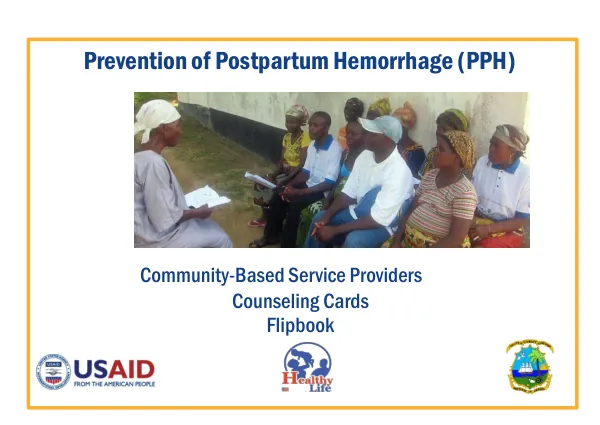
PPH Counseling Cards and Flip Book
Prevention of Postpartum Hemorrhage (PPH) is a critical concern in maternal healthcare.
2014 · 26 pages
Sign in to readA free account is required to download.
Abstract
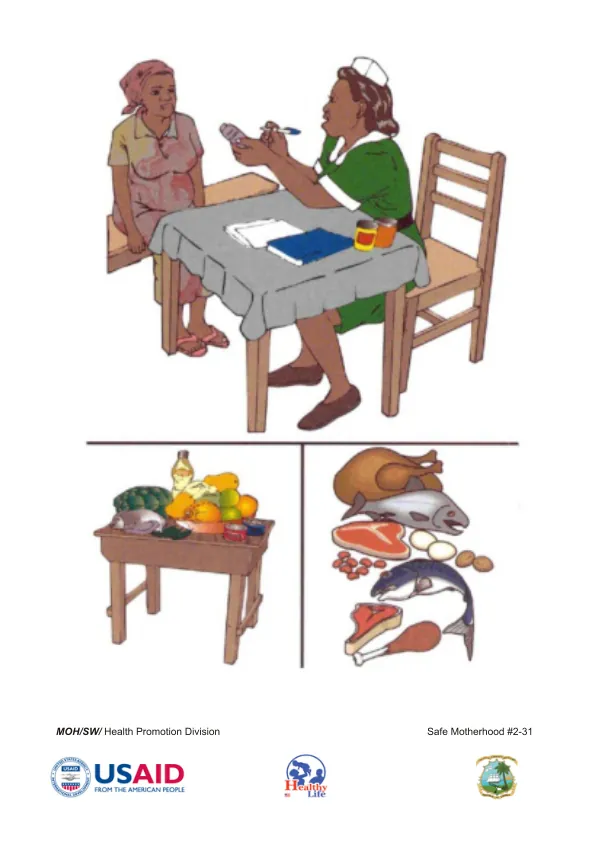
Postpartum hemorrhage occurs when a woman experiences excessive bleeding after childbirth, which can be life-threatening if not addressed promptly. The condition can arise due to various factors, including retained placental tissue, uterine atony, or lacerations. Community-based service providers play a vital role in preventing PPH. Trained traditional midwives and traditional midwives are equipped to identify and manage risk factors associated with PPH. They are responsible for mapping pregnant women, postpartum mothers, and newborns in their community, updating the map monthly, and informing health facility staff of any pregnant women, postpartum mothers, and newborns in their area. Counseling is a crucial aspect of PPH prevention. Community-based service providers should counsel pregnant women and postpartum mothers on danger signs during pregnancy, including swollen feet, hands, and face, strong headaches, stomach pain, bleeding, fever, and jerking. Women are advised to visit the hospital or clinic if they experience any of these symptoms. Birth preparedness and complication readiness are also essential components of PPH prevention. Pregnant women should be counseled on the importance of having a plan in place for emergency situations, including knowing a place to give birth, having a means of transportation to the clinic or hospital, and having someone to care for their other children while they are in labor. Misoprostol is a medication that can be administered to prevent excessive bleeding after childbirth, provided the bleeding is not due to a uterine laceration. Community-based service providers should be aware of the indications and contraindications for misoprostol administration. In addition to PPH prevention, community-based service providers should also counsel pregnant women on important aspects of maternal and newborn care. This includes the importance of eating a balanced diet to maintain strong blood, visiting the clinic for regular check-ups, and giving the newborn only breast milk or tay-tay water for the first six months. Women are also advised to seek medical attention for their newborns to receive necessary vaccinations and check-ups.
Related documents