JSI RESEARCH & TRAINING INSTITUTE, INC
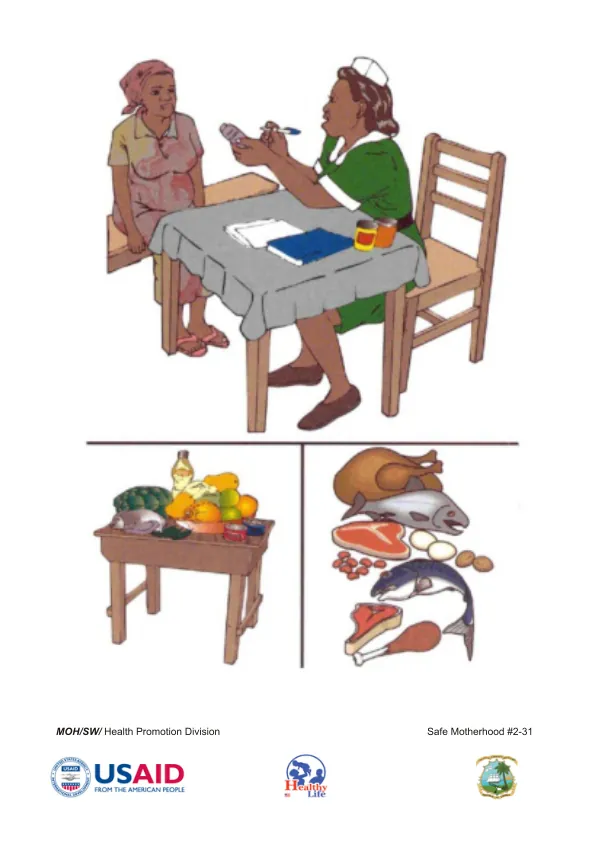
Safe Motherhood Counciling Card
Soil degradation was attributed to intensive farming practices and inadequate fertilizer use, while limited market access hindered farmers' ability to sell their produce at competitive prices.
11 pages
Sign in to readA free account is required to download.
Abstract
The training programs emphasized the importance of crop rotation, composting, and conservation agriculture to improve soil fertility and reduce erosion. The plots also served as a platform for farmers to share knowledge and best practices. The higher adoption rates among women-headed households were attributed to their greater involvement in household decision-making and their willingness to adopt new practices to improve their family's food security. The evaluation also found that the program had a positive impact on household nutrition, with a significant increase in the consumption of fruits and vegetables among program participants. The program's success was attributed to the effective collaboration between local government agencies, NGOs, and community groups. The program's long-term sustainability was ensured through the establishment of a community-led agricultural cooperative, which provided a platform for farmers to market their produce and access credit and other services. The cooperative also served as a mechanism for farmers to share knowledge and best practices, ensuring the continued adoption of sustainable agriculture techniques. The program's success in Rwanda has been recognized as a model for agricultural development initiatives in other countries, highlighting the importance of integrated approaches to addressing the complex challenges facing smallholder farmers.