USAID DEC
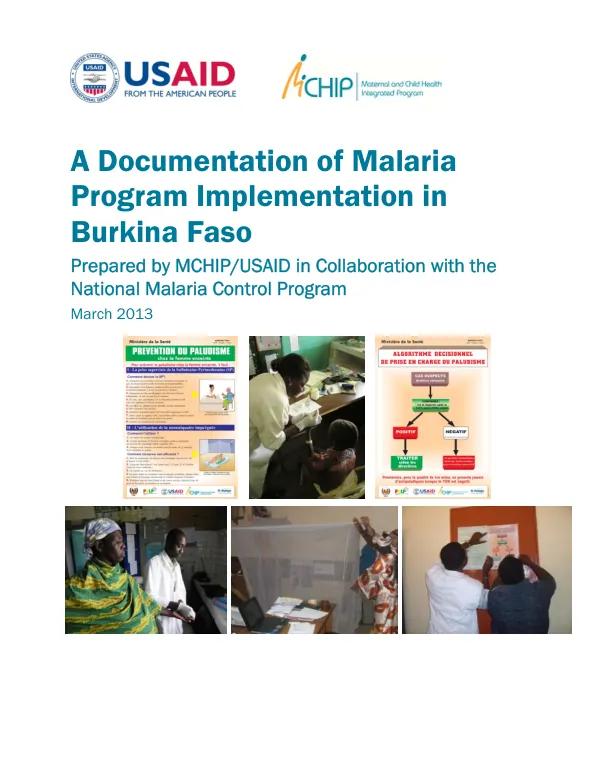
Rapid Diagnostic Tests for Malaria in Burkina Faso: An Assessment of Use and Management
Sign inJHPIEGO
Rapid Diagnostic Tests for Malaria in Burkina Faso: An Assessment of Use and Management
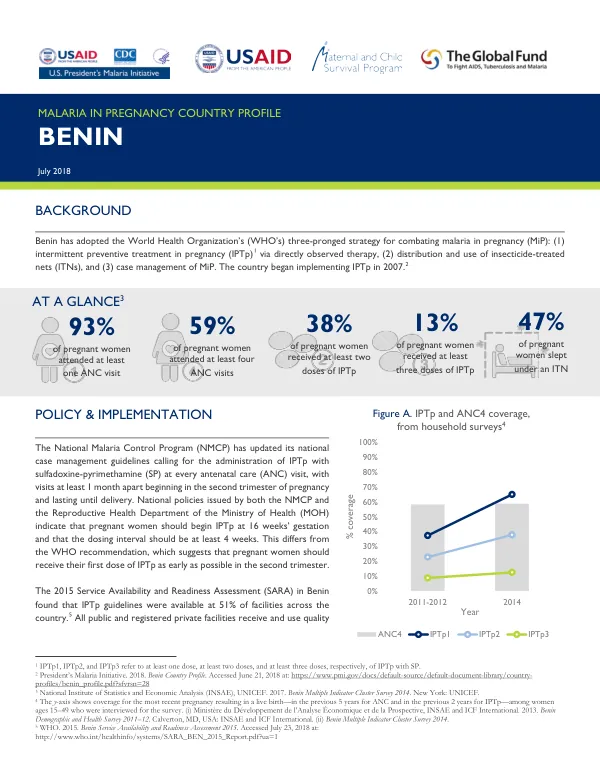
The introduction of rapid diagnostic tests (RDTs) for malaria in Burkina Faso began in 2009, with training initiated in 2008.
2010 · 38 pages
Sign in to readA free account is required to download.
Abstract
The National Malaria Control Program (NMCP) adopted a new approach to case management, requiring malaria diagnosis at the primary health care facility level and microscopy at the referral hospital level. To support this shift, RDTs were introduced in peripheral health facilities, initially in six health regions, comprising 29 health districts, which is approximately half of Burkina Faso's regions and health districts. The use of RDTs has since been rolled out to all regions. The assessment of diagnostic capacities among providers and at health facilities aimed to identify strengths and weaknesses related to RDT use and management. A protocol was developed to assess diagnostic capacities from a sample of health centers, and findings from this assessment will inform the Ministry of Health through the NMCP. The assessment also aimed to provide relevant information for emphasis during training and supervision of providers. Additionally, findings will guide the focus of a future comprehensive representative assessment. The assessment was conducted in July 2010 by a team of experts, including Dr. Sheick Oumar Coulibaly, a NMCP representative, and Dr. William Brieger, a Senior Technical Advisor for Malaria at Jhpiego. The team visited three health regions, five districts, and several facilities, and met with stakeholders to gather information on RDT use and management. The assessment aimed to provide an inventory of malaria RDT use and management in the context of their introduction, aimed at improving malaria control in Burkina Faso. The assessment focused on several key areas, including training, trainers, curriculum, training logistics, and training bottlenecks. The team also examined supply, storage, and distribution of RDTs, as well as stock records and storage conditions. Additionally, the assessment looked at supervision, monitoring, and evaluation, as well as health worker acceptance and community response to RDTs. The findings from this assessment will inform the development of a comprehensive representative assessment and guide the focus of future training and supervision efforts. The assessment identified several key challenges related to RDT use and management, including training bottlenecks, supply chain issues, and storage conditions. The team also noted that some health workers were not accepting RDTs as a diagnostic tool, and that community response to RDTs was variable. However, the assessment also highlighted several strengths, including the high level of acceptance of RDTs among some health workers and the effective use of RDTs in some facilities. The findings from this assessment will inform the development of strategies to address these challenges and build on the strengths identified.
Related documents