USAID DEC
Recetario de Arroz de la Comunidad Negra del Río Naya
The Valle del Cauca is a department in Colombia characterized by a rich cultural diversity, representing the mestizaje of the Colombian nation.
2016 · 52 pages
Sign in to readA free account is required to download.
Abstract
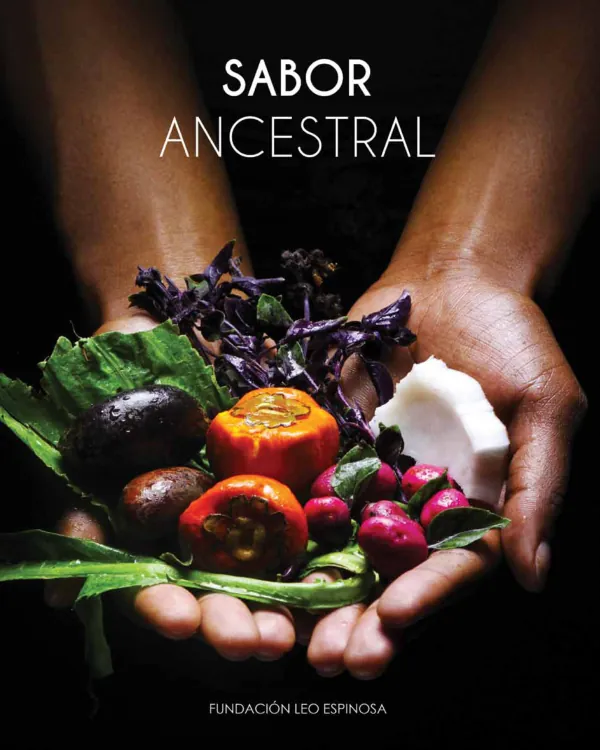
The region is home to the community of Naya, which has been inhabited by descendants of African slaves since the late 17th century. These communities have traditionally lived off fishing, agriculture, and mining, with the community of Naya being formed in the search for mineral resources that provided economic sustenance. The Naya River is divided into three main zones: the low-lying area, where the main economic activities are artisanal fishing and pancoger agriculture; the middle area, where agriculture and livestock farming are prominent; and the high-lying area, where coffee and cacao production are the main economic activities. The community of Naya has a population of over 20,000 inhabitants, organized into approximately 4,816 families, spread across 64 veredas. The community's cultural identity is deeply rooted in its African heritage, which is reflected in its traditional cuisine, music, and dance. The community's traditional dishes, such as yuca, plantain, cilantro cimarrón, papachina, and chontaduro, are prepared with the characteristic seasonings that define the community's identity. The community's economic activities are still largely based on fishing, agriculture, and mining, with many families relying on these activities for their livelihood. The community of Naya has a rich cultural heritage, with a strong emphasis on traditional music, dance, and cuisine. The community's traditional music is characterized by the use of drums and other percussion instruments, while its traditional dance is characterized by the use of intricate footwork and hand movements. The community's traditional cuisine is characterized by the use of local ingredients, such as yuca, plantain, and cilantro cimarrón, which are prepared with the characteristic seasonings that define the community's identity. The community of Naya has a strong sense of community and social organization, with many families living in close proximity to one another. The community is organized into a number of different social groups, including the Consejo Comunitario de la Comunidad Negra del Río Naya, which is responsible for coordinating community activities and providing support to community members. The community also has a number of different cultural and social organizations, including the Fundación Leo Espinosa, which is responsible for promoting the community's cultural heritage and providing support to community members. The community of Naya has a number of different economic activities, including fishing, agriculture, and mining. The community's fishing industry is an important source of income for many families, with many fishermen selling their catch at local markets. The community's agricultural industry is also an important source of income, with many families growing crops such as yuca, plantain, and cilantro cimarrón. The community's mining industry is also an important source of income, with many families extracting minerals such as gold and copper. The community of Naya has a number of different challenges, including poverty, lack of access to education and healthcare, and environmental degradation. The community is also vulnerable to natural disasters, such as floods and landslides, which can have a significant impact on the community's economy and way of life. Despite these challenges, the community of Naya remains a vibrant and resilient community, with a strong sense of identity and a deep connection to its cultural heritage.