FAMILY HEALTH INTERNATIONAL
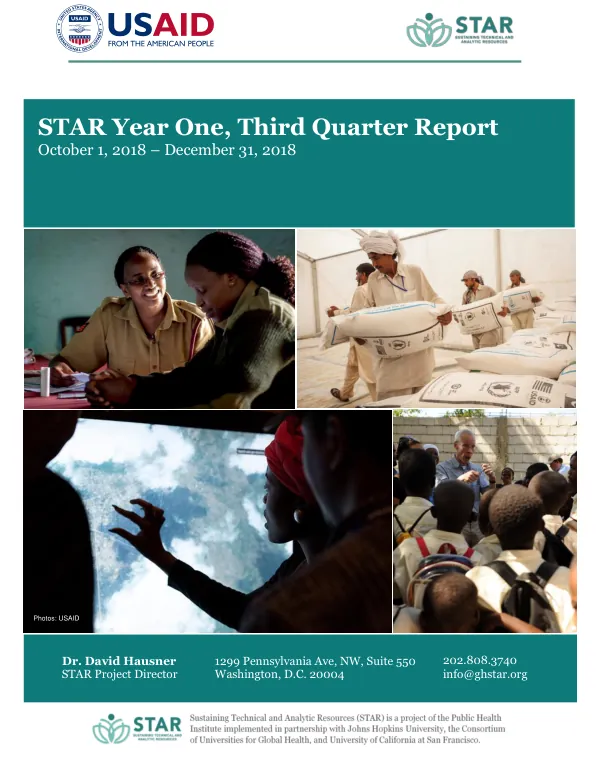
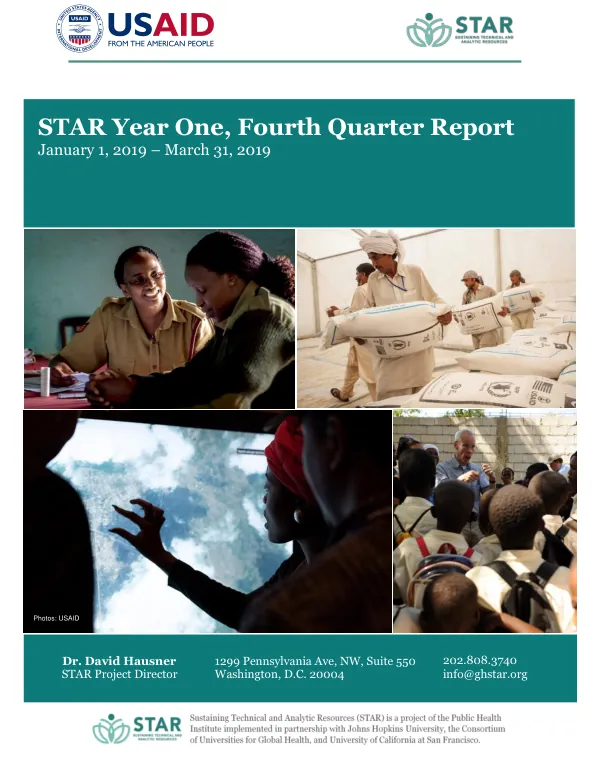
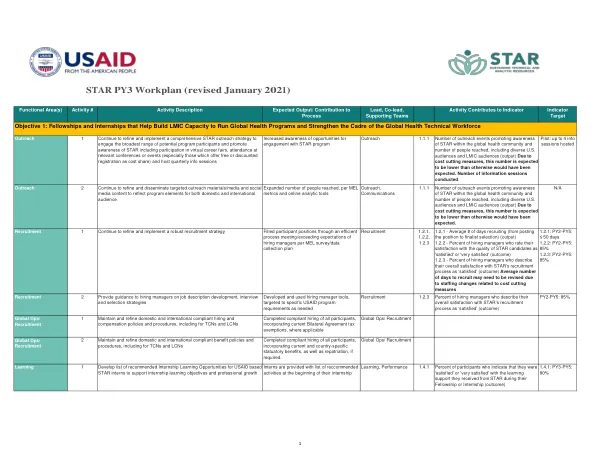
STAR PY3 Workplan (revised January 2021)
The STAR program aims to build the capacity of low- and middle-income countries (LMICs) to run global health programs and strengthen the global health technical workforce.
2021 · 7 pages
Sign in to readA free account is required to download.
Abstract
To achieve this goal, the program focuses on several key activities. One of the primary objectives of the STAR program is to engage a broad range of potential program participants and promote awareness of the program through outreach efforts. This includes continuing to refine and implement a comprehensive STAR outreach strategy, which involves participating in virtual career fairs, attending relevant conferences or events, and hosting quarterly info sessions. The program also aims to refine and disseminate targeted outreach materials and social media content to reflect program elements for both domestic and international audiences. The STAR program also places a strong emphasis on recruitment, with the goal of filling participant positions through an efficient process that meets or exceeds the expectations of hiring managers. This involves refining and implementing a robust recruitment strategy, providing guidance to hiring managers on job description development, interview, and selection strategies, and maintaining and refining domestic and international compliant hiring and compensation policies and procedures. In addition to outreach and recruitment, the STAR program focuses on learning and performance. This includes developing a list of recommended internship learning opportunities for USAID-based STAR interns, providing guidance to fellows to develop individual learning plans, and implementing a pilot STAR coaching program using a peer group coaching model. The program also aims to develop and implement a series of STAR Learning Exchanges on topics of interest to facilitate knowledge sharing and professional networking among STAR participants. The STAR program also engages with USAID/GH Bureau to develop and implement a robust FSN Fellowship program that includes learning and performance inputs. This involves working with USAID/GH Bureau to develop and implement a comprehensive, learning-focused fellowship program that brings value to the job performance of USAID FSN Fellows. Furthermore, the STAR program aims to expand opportunities for USAID Global Health to engage with academic institutions through STAR, with support for fellowships/internships, dissertation research, faculty sabbaticals, technical expertise, and other activities. This involves partnering with academic institutions to provide knowledge sharing, bi-directional exchange, and internship/fellowship opportunities for students focused on global health. The STAR program also places a strong emphasis on performance, with the goal of delivering orientation content and refining related materials for fellows and interns. This involves continuing to deliver orientation content and refining related materials to prepare participants for their internships and fellowships. Overall, the STAR program is designed to build the capacity of LMICs to run global health programs and strengthen the global health technical workforce through a range of activities focused on outreach, recruitment, learning, and performance.
Related documents