FUNDACIÓN IDEAS PARA LA PAZ
The Laboratories: A Journey of Dialogue and Reconciliation in Colombia
The Laboratories' project aimed to foster dialogue and reconciliation between the business sector and local actors in three regions of Colombia: Buenaventura-Valle del Cauca, Buriticá-Antioquia, and Porce Canyon (Amalfi and Anorí)-Antioquia.
2019 · 62 pages
Sign in to readA free account is required to download.
Abstract
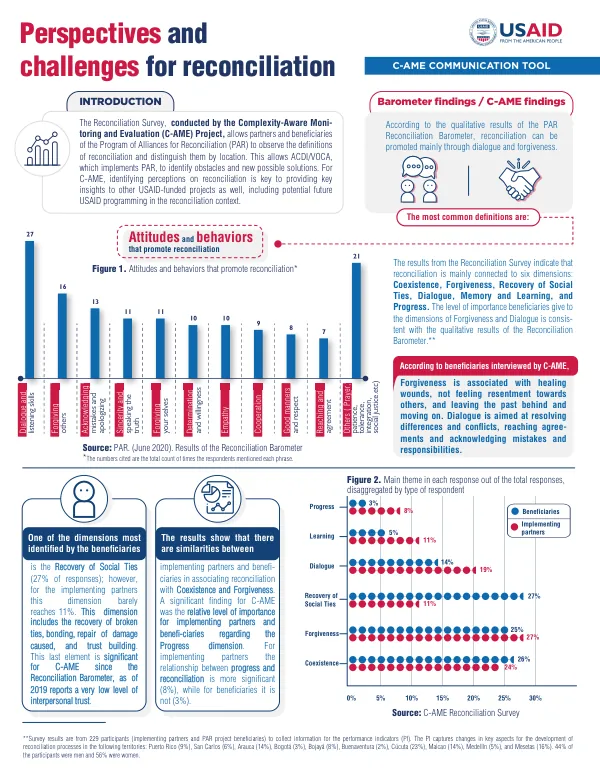
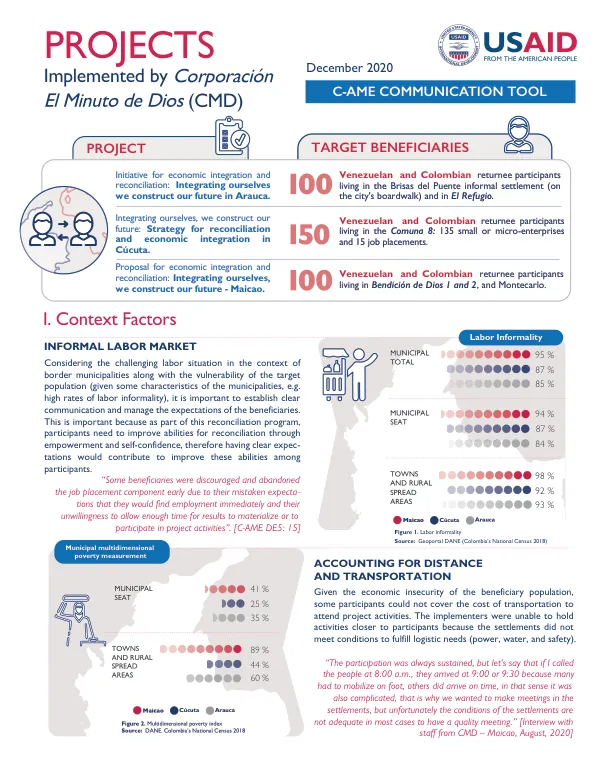
The project's Theory of Change stated that conflict between these actors had negatively affected dialogue and reconciliation, leading to distrust, non-recognition of third parties, negative perceptions, and barriers to cooperation. The project's journey involved developing the Dialogue component in the three regions, focusing on building relationships and trust among actors. The training component played a crucial role in strengthening the social and technical competences of project associates, who then participated in dialogue spaces. These spaces were designed to foster mutual understanding, empathy, and humanization among participants. In the Porce Canyon region, dialogue activities were conducted to encourage mutual understanding among actors, including community members, local authorities, and the business sector. These activities included dialogue sessions, focus group discussions, and women's circles. The goal of these activities was to establish a dialogue process, exchange common views, and identify shared necessities and aspirations. The project's approach to dialogue emphasized the importance of humanizing the other, recognizing dignity and value, and empowering participants to contribute to the dialogue spaces. The Amalgama group played a key role in fostering a sustainability perspective in the process and empowering participants to take ownership of the dialogue spaces. The project's methodology involved identifying the real interests and objectives of each scenario and actor to approach them with a pertinent methodology. However, in some cases, there was no dialogue despite efforts to bring such an approach. The project's experience highlighted the importance of participant-centered logic, guaranteeing sustainability and trust-building in the long run. The project's geographic focus was on the three regions mentioned, with a reporting period of April to June 2019. The project's implementation was led by Fundación Ideas para la Paz, with the support of the United States Agency for International Development (USAID). The project's Theory of Change and methodology were designed to address the complex challenges of conflict and reconciliation in the regions. The project's consolidated data on the dialogue measuring instrument baseline showed a process analysis and a second regional diagnosis analysis. The project's research component focused on the progress and future of the project, highlighting the importance of participant-centered logic and sustainability. The project's communication component emphasized the need for effective communication and stakeholder engagement to ensure the project's success. The project's gender and social inclusion component highlighted the importance of addressing gender-related issues and promoting social inclusion in the dialogue spaces. The project's program management and administrative issues component emphasized the need for effective management and administration to ensure the project's success. Overall, the project's approach to dialogue and reconciliation in the three regions of Colombia was designed to address the complex challenges of conflict and reconciliation. The project's experience highlighted the importance of participant-centered logic, sustainability, and effective communication in achieving the project's goals.