GOVERNMENT OF SENEGAL
USAID/Nepal's 60th Anniversary: Celebrating Six Decades of Development Cooperation
The United States and Nepal established a diplomatic agreement in 1951, marking the beginning of a long-standing partnership for development.
2011 · 1 pages
Sign in to readA free account is required to download.
Abstract
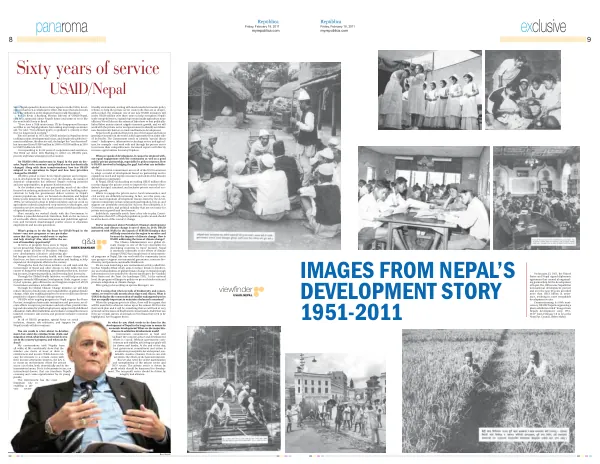
Over the next 60 years, the US provided more than $1 billion in assistance, resulting in significant development achievements. The partnership has been a collaborative effort, with the US working closely with the Government of Nepal to address various developmental issues. In the early years, the focus was on reducing malaria in the Tarai region and building infrastructure to deliver services to remote populations. Later, the US helped increase literacy rates from 2 to 40 percent, improved health outcomes, and enhanced agricultural productivity through the introduction of new crop varieties, technologies, and extension services. More recently, the US supported a peaceful democratic transition, built on the successes of health efforts, increased incomes and yields from agriculture, and improved access to education, employment, and income generation for disadvantaged youth. The US Agency for International Development (USAID) in Nepal has been tackling various developmental issues, including global hunger and food security, health, and climate change. The agency has received increased funding to expand its development efforts in the country, with a focus on stimulating agricultural production, increasing incomes, improving nutrition, and lowering food insecurity through the Feed the Future initiative. USAID is also working to accelerate progress towards Millennium Development Goals, support country-led systems, and heighten the impact of US Government assistance in the health sector through the Global Health Initiative. In addition to these initiatives, USAID is supporting the Peace Process, strengthening democratic institutions and processes, accelerating efforts to improve governance and rule of law, providing training and education for youth employment, supporting early childhood education, fighting illicit trafficking, and enhancing competitiveness in targeted economic sub-sectors and promoting inclusive economic growth. The agency is also placing a special focus on social inclusion, disaster risk reduction, and support for Nepal's youth. USAID Director Dr. Kevin A. Rushing emphasizes the importance of creating an environment where the private sector can thrive, both domestically and internationally. He notes that the Government of Nepal has a crucial role in enabling a private sector-friendly environment through economic policy reforms, labor law reforms, and the elimination of bureaucratic barriers to trade and business development. USAID is launching a new initiative to help strengthen Nepal's trade competitiveness, expand exports, and make agriculture more efficient, with a budget of $30 million over three years. The agency is also working to engage the private sector, local communities, and civil society in development efforts, recognizing that community participation, buy-in, and support are essential for success. Individuals, particularly youth, have a key role to play in Nepal's development, and USAID is committed to supporting their engagement in the development process. The agency is also addressing the issue of climate change, which poses a significant threat to Nepal's development. USAID is launching a new environment activity, Har-iyoban Nepalko Dhan, to reduce threats to biodiversity and vulnerabilities of global climate change in Nepal through interventions in two priority bio-diverse landscapes.